5 Innovative Trends in Commercial Construction You Should Know


Introduction to Commercial Construction Trends
The commercial construction industry is evolving rapidly, driven by technological advancements and the need for sustainable practices. Staying updated with these trends is crucial for professionals looking to remain competitive. Here, we explore five innovative trends shaping the future of commercial construction.
1. Sustainable Building Practices
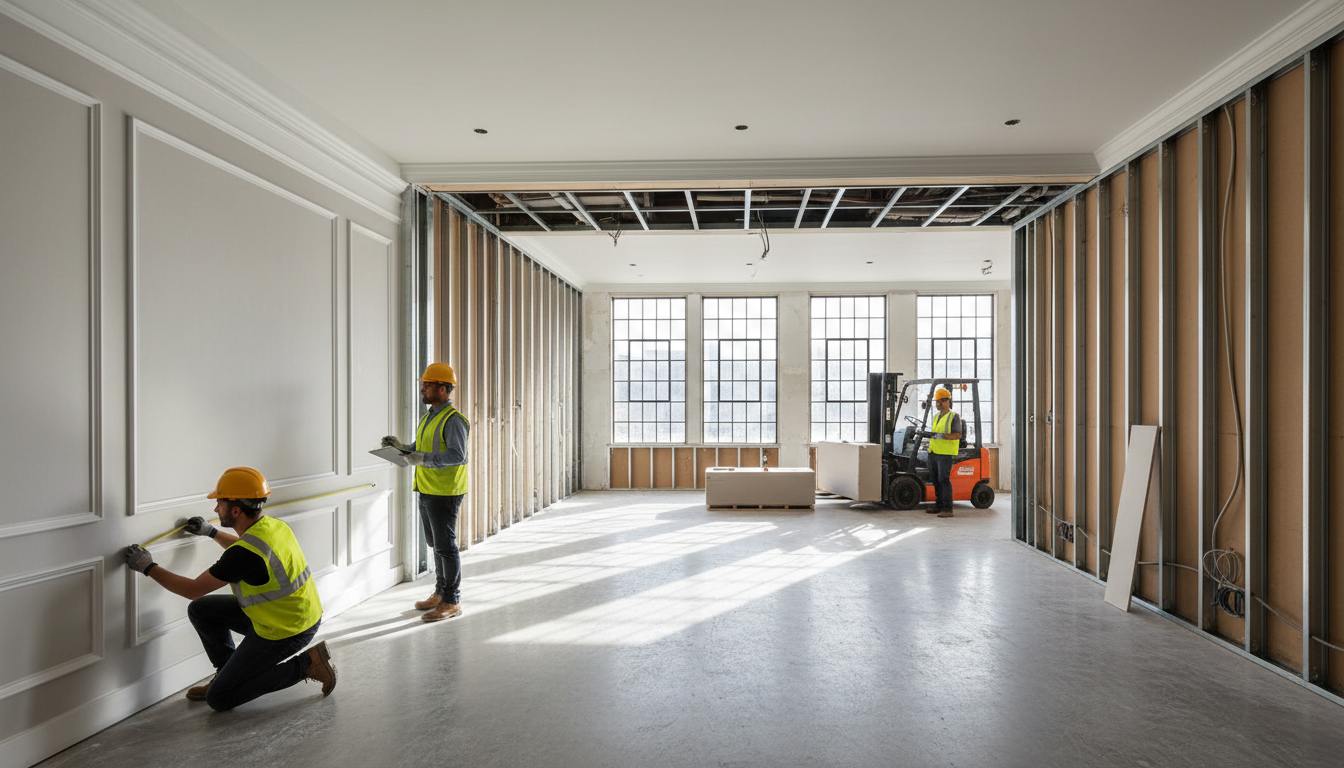
One of the most significant trends in commercial construction is the focus on sustainability. As environmental concerns grow, businesses are adopting green building practices to reduce their carbon footprint. This includes using eco-friendly materials, implementing energy-efficient systems, and designing buildings to minimize waste.
Green certifications such as LEED (Leadership in Energy and Environmental Design) have become a priority, encouraging builders to integrate sustainable methods into their projects. These practices not only benefit the environment but also lead to cost savings in the long run.
2. Smart Building Technology
With advances in technology, smart buildings are becoming more prevalent. These structures utilize IoT (Internet of Things) devices to enhance operational efficiency. From automated lighting and climate control to advanced security systems, smart technology is revolutionizing how buildings function.

Smart buildings provide real-time data that can be used to optimize energy usage and improve occupant comfort. As technology continues to advance, the integration of AI and machine learning in construction will further enhance these capabilities.
3. Modular and Prefabricated Construction
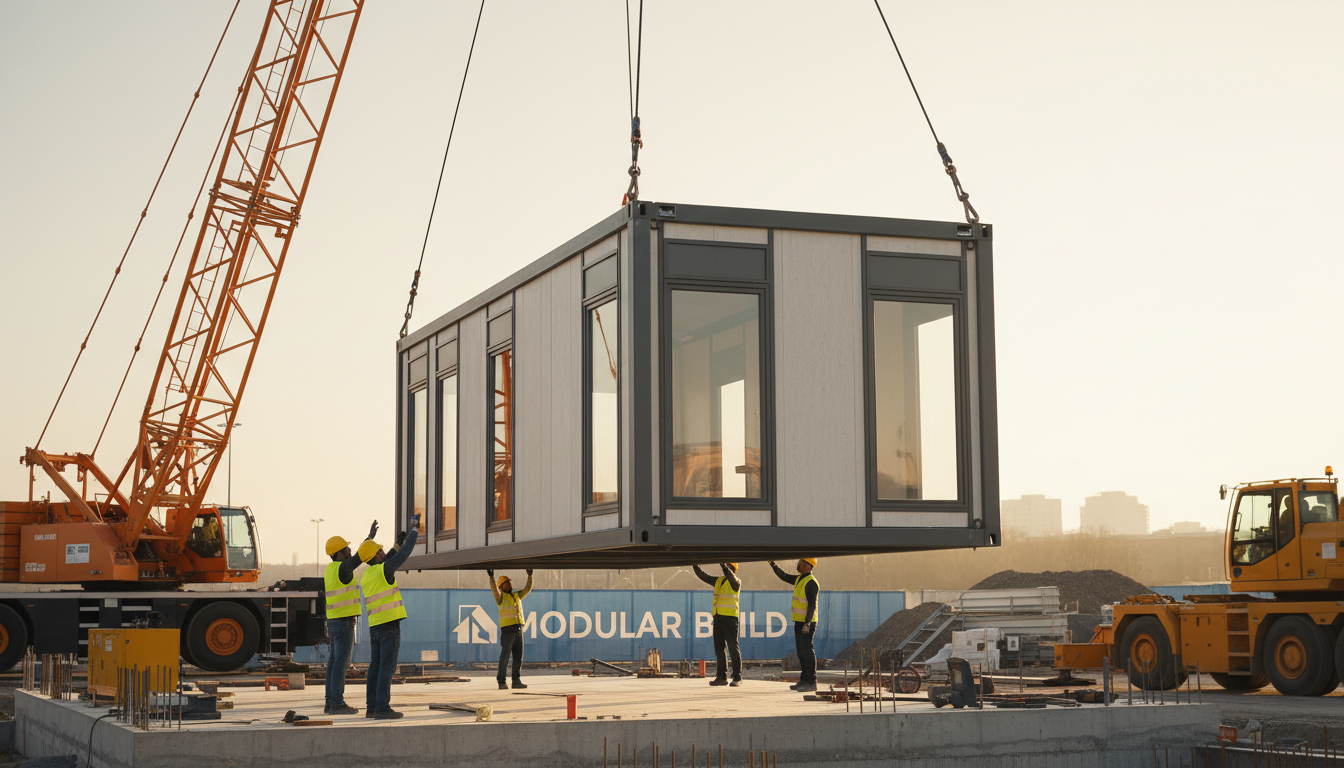
Modular and prefabricated construction techniques are gaining traction due to their efficiency and cost-effectiveness. By assembling building components off-site, construction projects can be completed faster and with less waste.
This method is particularly beneficial for commercial projects where time is a critical factor. Prefabrication allows for better quality control and reduces the impact of weather delays on the construction timeline.
4. Use of Advanced Materials
The development of new materials is opening up exciting possibilities in commercial construction. From self-healing concrete to lightweight composites, these materials offer enhanced durability and performance.
Advanced materials contribute to the longevity and sustainability of buildings, allowing for innovative architectural designs that were previously impossible. As research continues, we can expect to see more groundbreaking materials entering the market.
5. Emphasis on Safety and Health
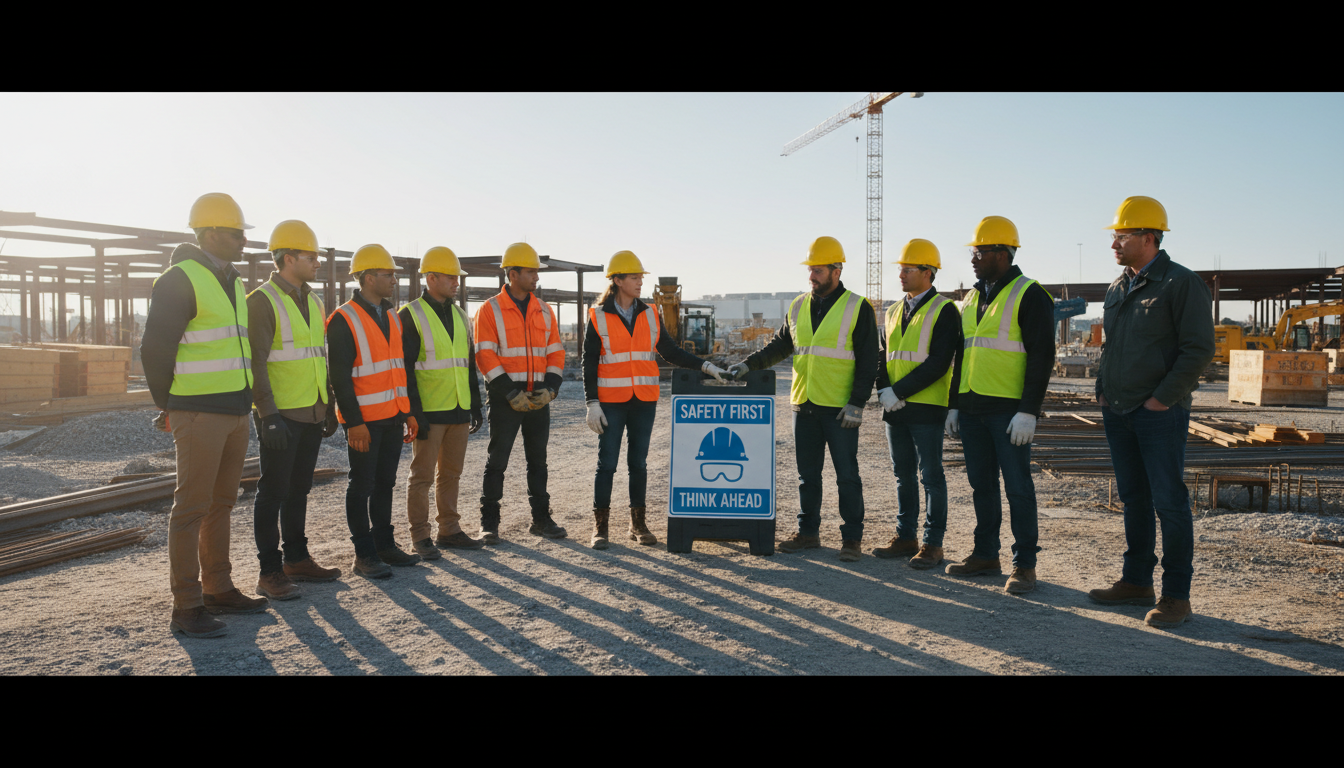
Safety and health have always been a priority in construction, but recent innovations are taking these aspects to new levels. The integration of wearable technology, such as smart helmets and vests, helps monitor workers' health and safety in real-time.
Additionally, the global pandemic has highlighted the importance of designing spaces that promote health and well-being. This includes improved ventilation systems, touchless technology, and layouts that allow for social distancing.
Conclusion
The commercial construction industry is on the brink of a transformation, driven by these innovative trends. By embracing sustainability, smart technology, modular construction, advanced materials, and enhanced safety measures, businesses can build for a better future.
Staying informed about these trends is essential for anyone involved in commercial construction, ensuring projects are not only efficient and cost-effective but also environmentally and socially responsible.