Comparing Modular and Traditional Homes: Which is Right for You?


When it comes to building a new home, one of the first decisions you'll face is whether to choose a modular or traditional home. Each option has its own set of advantages and potential drawbacks, making the decision a crucial one for future homeowners. Understanding the differences can help you make an informed choice that suits your lifestyle and budget.
Understanding Modular Homes
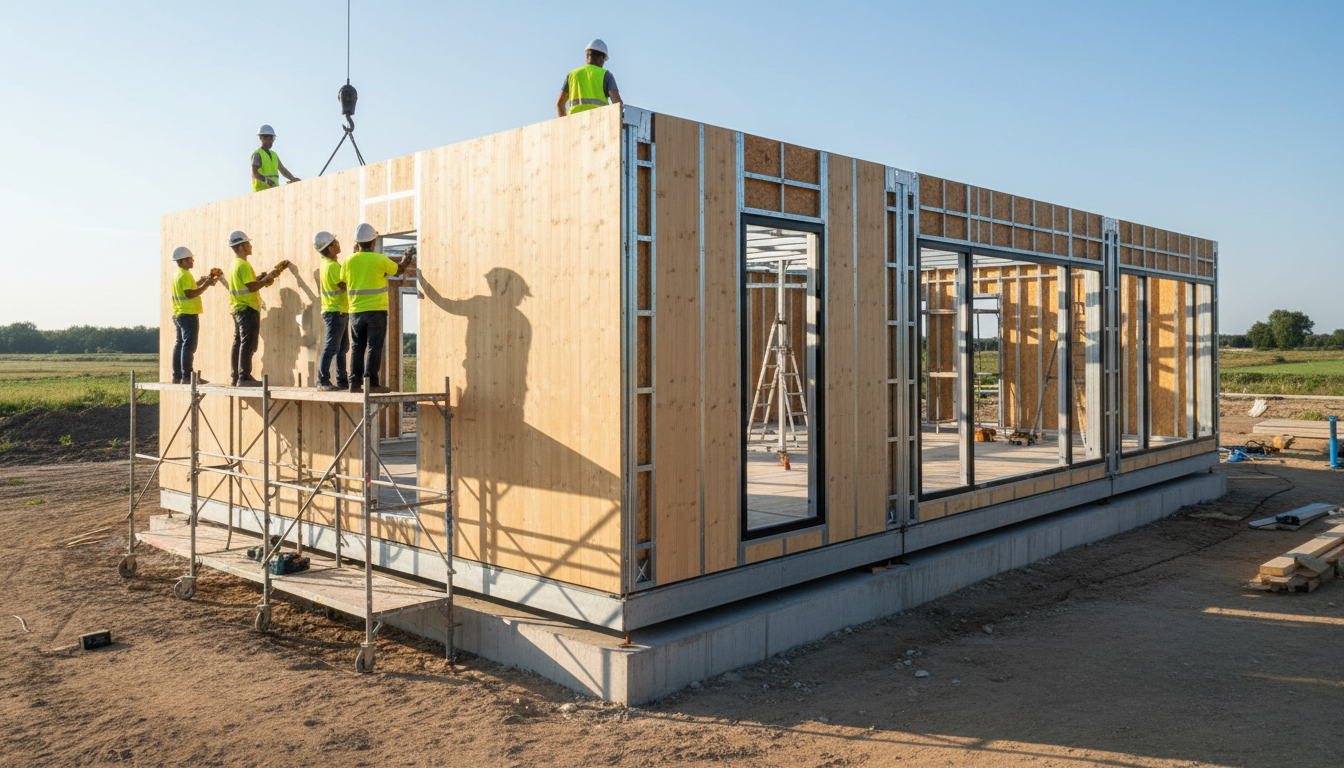
Modular homes are constructed in sections or modules in a controlled factory environment. These sections are then transported to the building site and assembled on a permanent foundation. This method of construction offers several benefits, including speed and cost-effectiveness.
Advantages of Modular Homes
Speed of Construction: Since modular homes are built indoors, construction isn't subject to weather delays. This can significantly reduce the build time, allowing you to move in sooner.
Cost-Effective: The efficiency of factory production often results in lower costs, making modular homes a budget-friendly option.
Exploring Traditional Homes
Traditional homes, also known as stick-built homes, are constructed entirely on-site. This method is the more conventional approach and offers a different set of benefits compared to modular homes.
Advantages of Traditional Homes
Customization: Traditional homes offer a high degree of customization, allowing homeowners to influence every aspect of the design and construction process.
Resale Value: These homes often have a higher resale value due to their perceived stability and traditional appeal.
Comparing Costs and Time
When comparing costs, modular homes generally come out ahead due to their efficient production process. However, traditional homes may offer greater long-term value. Time is another critical factor; modular homes are typically completed faster, which might be a deciding factor if you're on a tight schedule.

Quality and Durability
Both modular and traditional homes can offer high-quality construction. Modular homes are built to withstand transportation, which sometimes means they are constructed to higher standards. Traditional homes, however, benefit from on-site adjustments and modifications.
Environmental Impact
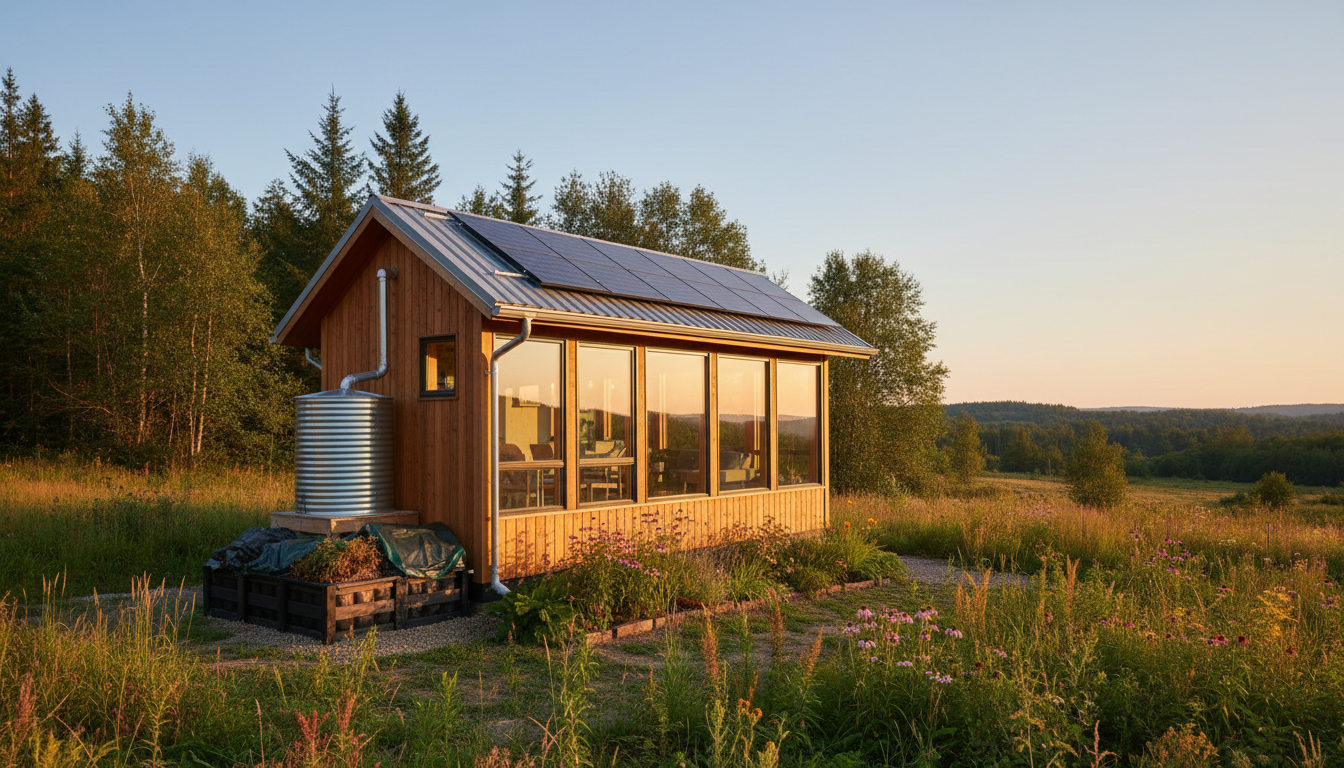
Modular homes often have a smaller environmental footprint due to efficient use of materials and reduced waste. Traditional homes can also be built sustainably, but this often requires additional planning and resources.
In conclusion, the choice between modular and traditional homes depends on your specific needs and priorities. Consider factors such as budget, time, customization, and long-term value when making your decision. Both options offer unique benefits, so it's essential to weigh them carefully to find the best fit for your future home.