Expert Insights: Trends Shaping Residential Construction


Introduction
The residential construction industry is constantly evolving, driven by innovative technologies, changing consumer preferences, and environmental considerations. As we look ahead, understanding the trends shaping this sector is crucial for homeowners, builders, and industry professionals alike. This post delves into the key trends that are currently influencing residential construction.
Emphasis on Sustainability
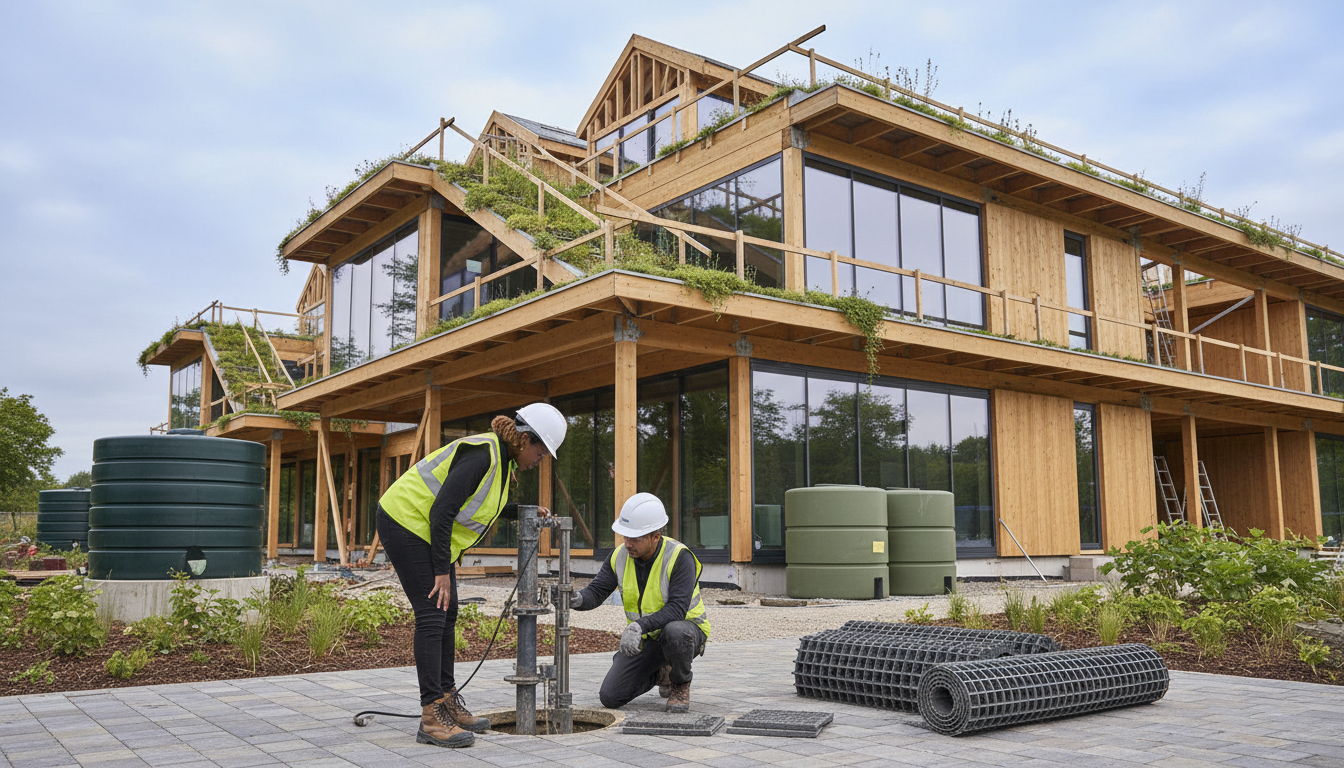
One of the most significant trends is the growing emphasis on sustainable construction practices. Consumers are increasingly aware of their environmental footprint, leading to a demand for eco-friendly homes. Builders are responding by incorporating sustainable materials, energy-efficient designs, and renewable energy sources like solar panels.
Green Building Materials
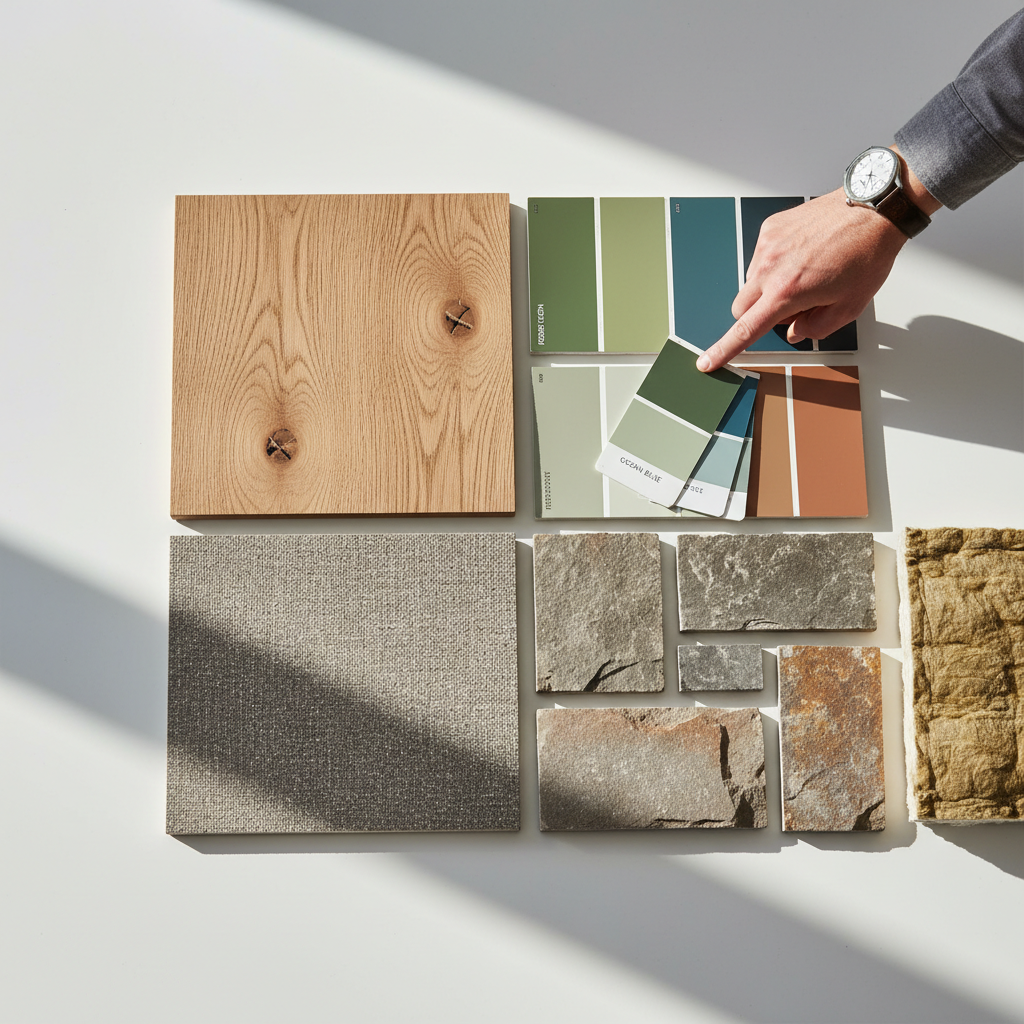
Green building materials, such as recycled steel, bamboo, and reclaimed wood, are becoming mainstream. These materials not only reduce environmental impact but also offer durability and aesthetic appeal. The use of non-toxic paints and insulation further enhances the health and sustainability of the home environment.
Smart Home Technology
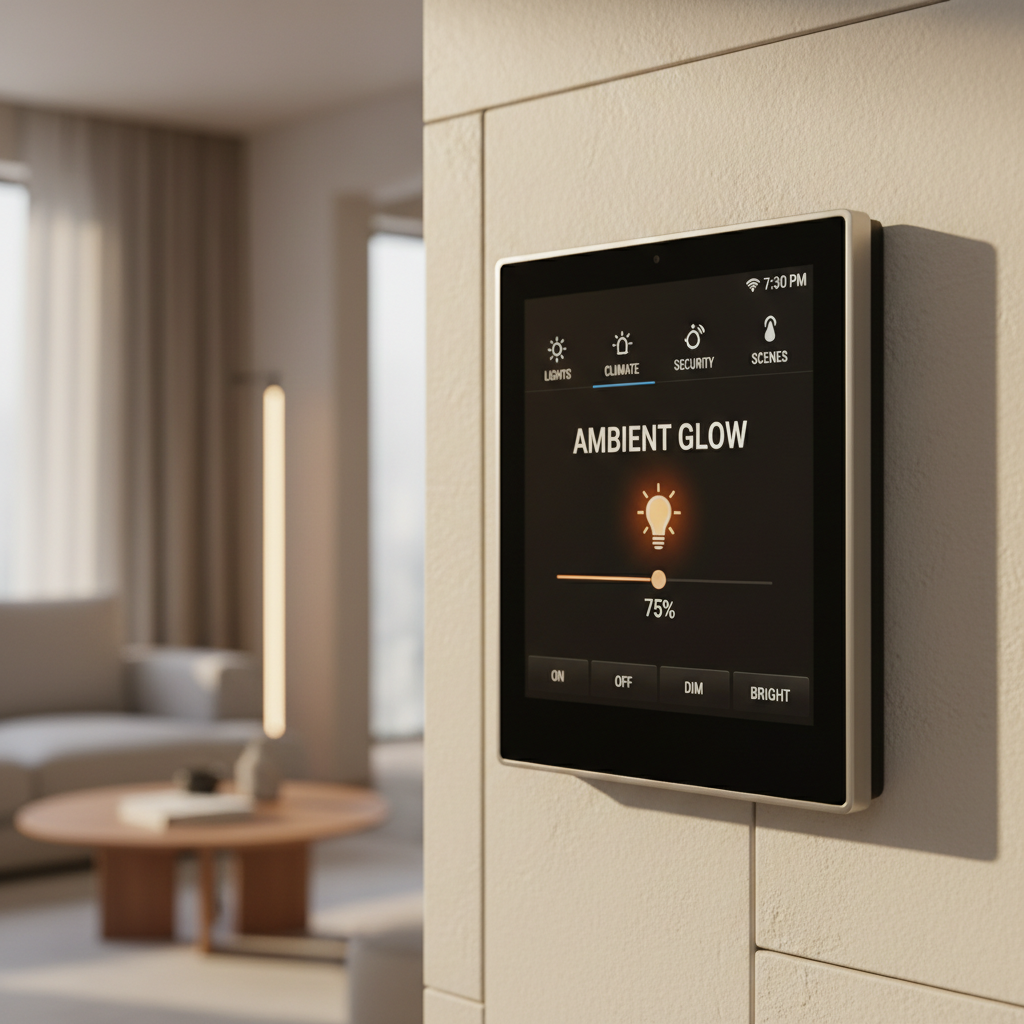
The integration of smart home technology is revolutionizing residential construction. Homeowners are seeking automated solutions that enhance convenience, security, and energy efficiency. From smart thermostats to advanced security systems, technology is making homes more connected and responsive.
Energy Management Systems
Energy management systems are a key component of smart homes. They allow homeowners to monitor and control energy usage, leading to significant cost savings. Smart lighting and automated HVAC systems are examples of how technology is optimizing home energy consumption.
Open and Flexible Spaces
Modern homeowners prefer open and flexible living spaces that can adapt to their changing needs. This trend is reflected in the popularity of open floor plans, which create a sense of spaciousness and facilitate family interaction. Multi-functional spaces, such as home offices and gym areas, are also on the rise.
Innovative Design Solutions
Innovative design solutions, such as movable walls and modular furniture, are being used to maximize space efficiency. These solutions allow homeowners to customize their living areas without the need for major renovations, providing flexibility and practicality.
Conclusion
The residential construction industry is being reshaped by trends that prioritize sustainability, technology, and flexibility. As these trends continue to evolve, they will undoubtedly influence the way homes are designed and built. Staying informed about these developments is essential for anyone involved in the residential construction sector.