How to Incorporate Eco-Friendly Practices in Your Next Construction Project


Understanding the Importance of Eco-Friendly Construction
The construction industry has a significant impact on the environment, contributing to carbon emissions and resource depletion. Embracing eco-friendly practices not only helps mitigate these effects but also enhances the sustainability and long-term value of your projects. By integrating green strategies, you can build responsibly while still meeting your construction goals.
Eco-friendly construction is not just a trend; it's a necessity for the future. With increasing awareness about environmental issues, more clients and stakeholders are demanding greener solutions. By adopting sustainable practices, you not only contribute to environmental conservation but also appeal to a broader market.
Choosing Sustainable Materials
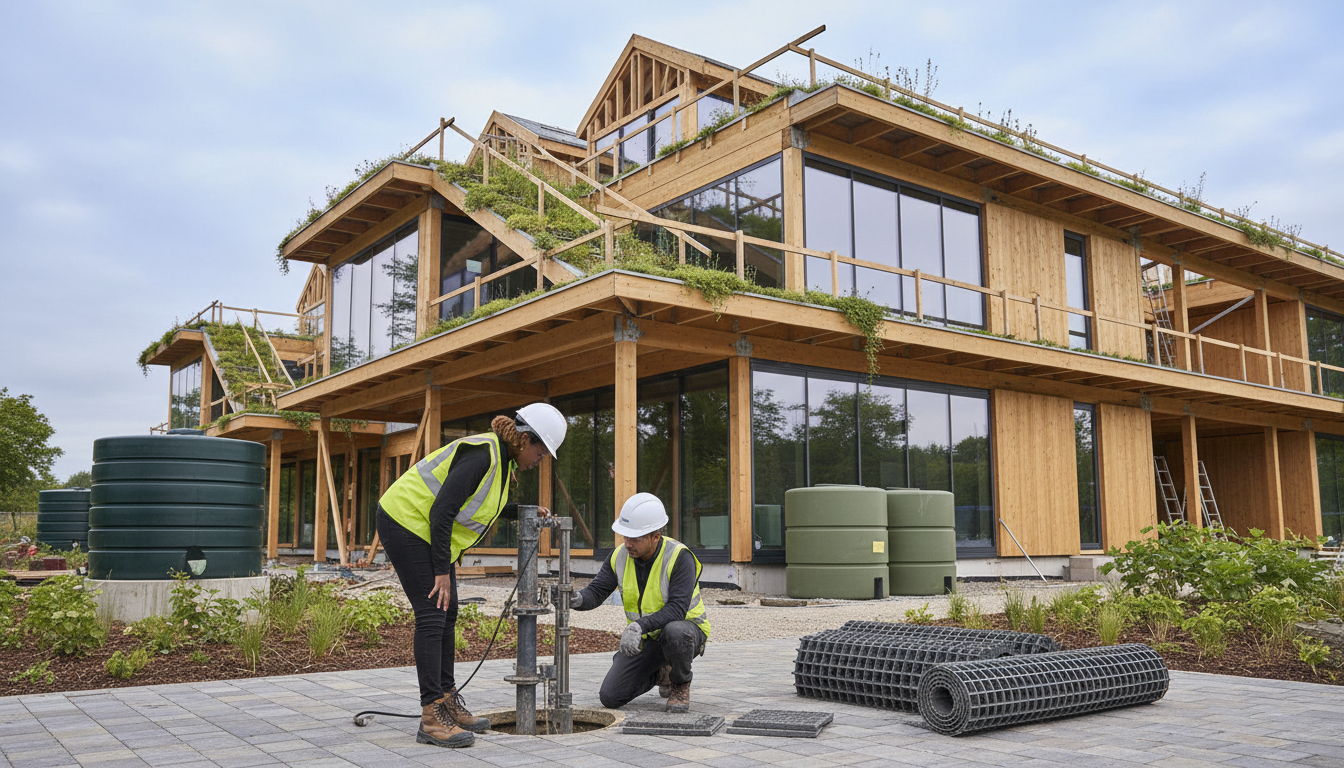
One of the most effective ways to make your construction project eco-friendly is by selecting sustainable materials. Opt for recycled or renewable resources, such as bamboo, recycled steel, or reclaimed wood. These materials not only reduce waste but also decrease the carbon footprint of your project.
Furthermore, consider the lifecycle of the materials you choose. Durable and long-lasting materials reduce the need for frequent replacements, thereby minimizing waste and conserving resources over time. Always look for certifications like FSC or LEED to ensure the materials meet eco-friendly standards.
Implementing Energy-Efficient Solutions
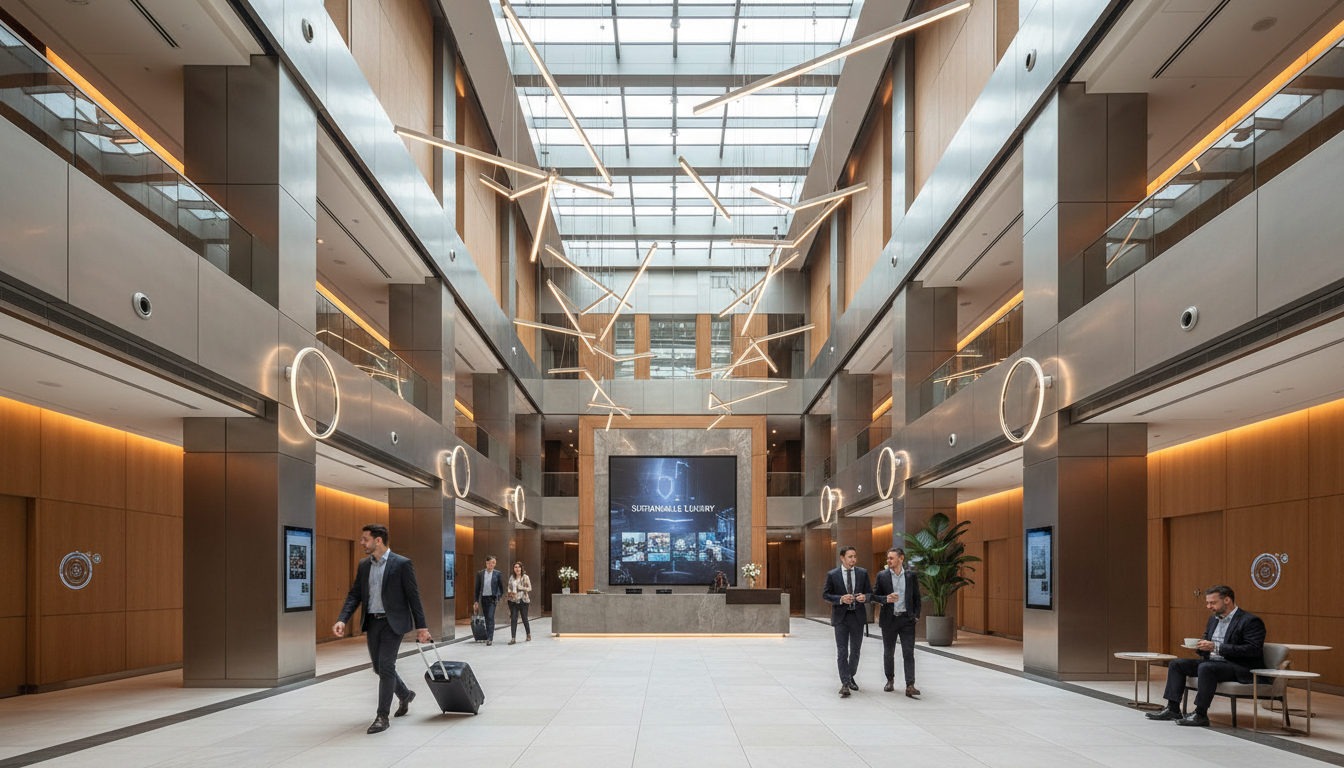
Energy efficiency is a cornerstone of eco-friendly construction. Incorporate energy-saving technologies such as LED lighting, smart thermostats, and energy-efficient HVAC systems. These installations can significantly reduce the energy consumption of the building, leading to lower utility costs and a smaller carbon footprint.
Additionally, consider integrating renewable energy sources like solar panels or wind turbines. These can supply a portion of the building's energy needs, making the project even more sustainable. By investing in these technologies, you create a building that is not only environmentally friendly but also cost-effective in the long run.
Water Conservation Techniques
Water is another critical resource in construction. Implementing water conservation techniques can greatly reduce the environmental impact of your project. Use low-flow faucets, dual-flush toilets, and rainwater harvesting systems to minimize water usage.
Landscaping is another area where water conservation can be applied. Opt for native plants that require less water and maintenance. This not only conserves water but also supports local biodiversity. By considering water efficiency, you contribute to a more sustainable and eco-friendly construction project.

Waste Reduction and Recycling
Construction projects often generate substantial waste. To address this, develop a waste management plan that prioritizes recycling and reusing materials. Segregate waste on-site and partner with recycling facilities to ensure materials like metal, concrete, and wood are properly processed.
Consider implementing modular construction techniques, which can reduce waste through precise manufacturing and efficient use of materials. By focusing on waste reduction, you not only lessen the environmental impact but also potentially reduce costs associated with waste disposal.
Engaging Stakeholders in Eco-Friendly Practices
Finally, engaging all stakeholders in the project is crucial for successful implementation of eco-friendly practices. Educate your team, clients, and suppliers about the benefits and importance of sustainable construction. Encourage collaboration and innovation to find new ways to enhance the project's environmental performance.
By fostering a culture of sustainability, you create a shared vision and commitment to eco-friendly practices. This collective effort ensures that your construction project not only meets current environmental standards but also sets a benchmark for future projects.