How to Incorporate Sustainability in Your Residential Construction Project


Understanding the Importance of Sustainability
In recent years, the concept of sustainability has become crucial in residential construction. Homeowners and builders are increasingly aware of the environmental impact of construction activities. Incorporating sustainable practices not only benefits the environment but also enhances the long-term value of your property.
Choosing Eco-Friendly Materials
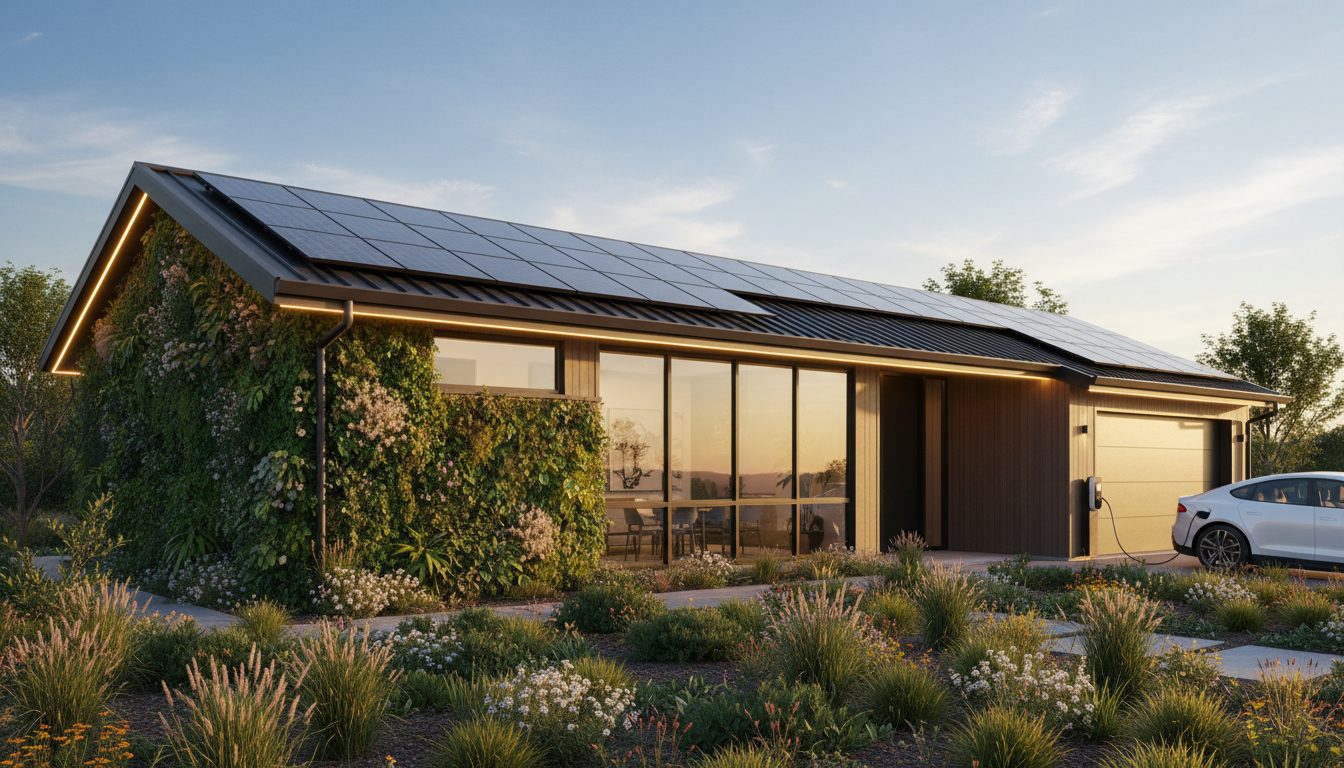
One of the first steps in sustainable construction is selecting eco-friendly materials. Opt for materials that are renewable, recycled, or have a low environmental impact. Some popular choices include bamboo flooring, recycled steel, and reclaimed wood. These materials reduce the ecological footprint while providing aesthetic appeal.
Additionally, consider using locally sourced materials to minimize transportation emissions. This practice supports local businesses and reduces the overall carbon footprint of your project.
Energy Efficiency and Insulation
Energy efficiency is a cornerstone of sustainable construction. Implementing proper insulation can significantly reduce energy consumption by maintaining temperature levels within the home. Choose high-quality insulation materials like cellulose or spray foam to enhance energy conservation.

Installing Energy-Efficient Windows
Energy-efficient windows are another effective way to improve sustainability. Double or triple-glazed windows minimize heat loss and reduce energy bills. Look for windows with low-emissivity coatings to maximize efficiency.
Utilizing Renewable Energy Sources
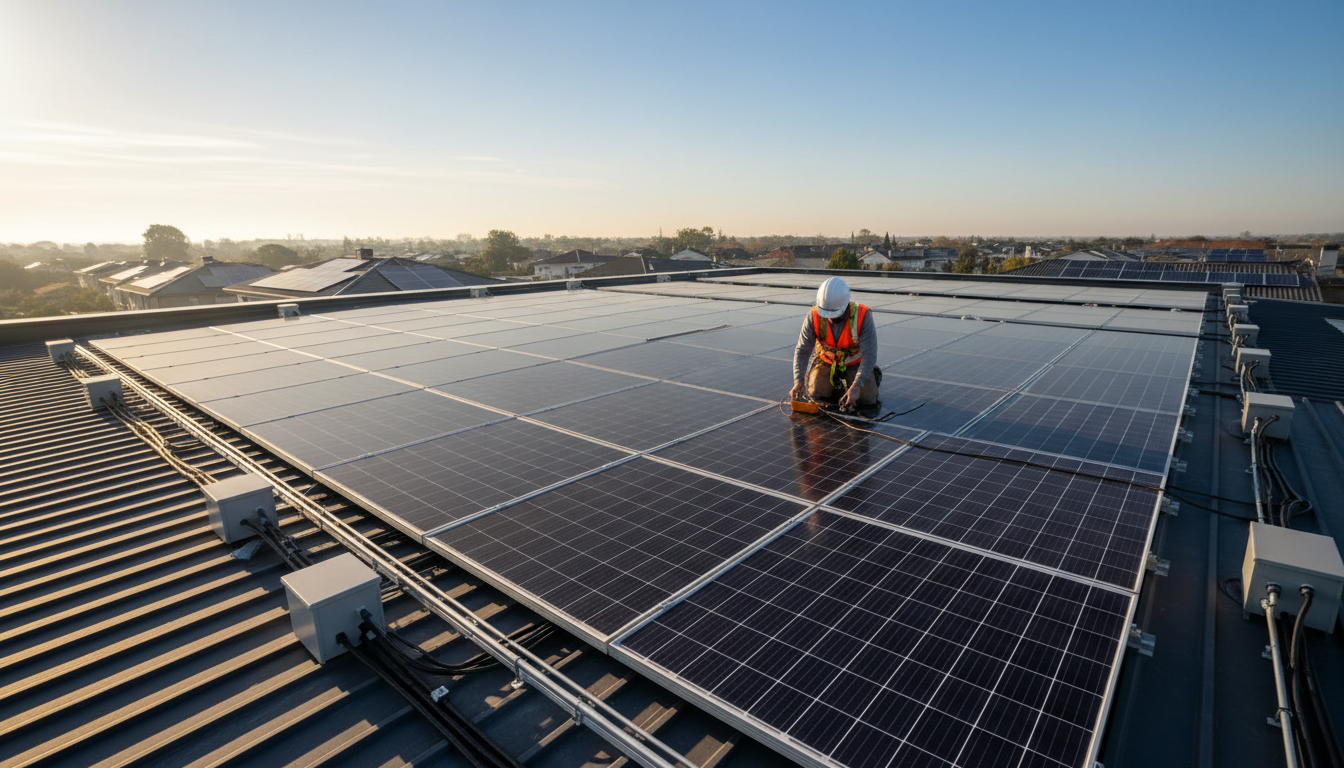
Integrating renewable energy sources, such as solar panels or wind turbines, can make your home more sustainable. Solar panels are particularly popular, providing a clean energy source that reduces reliance on fossil fuels and lowers electricity costs.
Consider installing a solar water heater as well, which can further decrease energy usage and provide a sustainable alternative to traditional water heating methods.
Water Conservation Techniques
Water conservation is an essential aspect of sustainable construction. Implementing rainwater harvesting systems can collect and store rainwater for irrigation and other non-potable uses. This reduces the demand on municipal water supplies and lowers water bills.
Low-flow fixtures in bathrooms and kitchens, along with water-efficient appliances, can also contribute significantly to water conservation efforts.
Creating a Sustainable Landscape
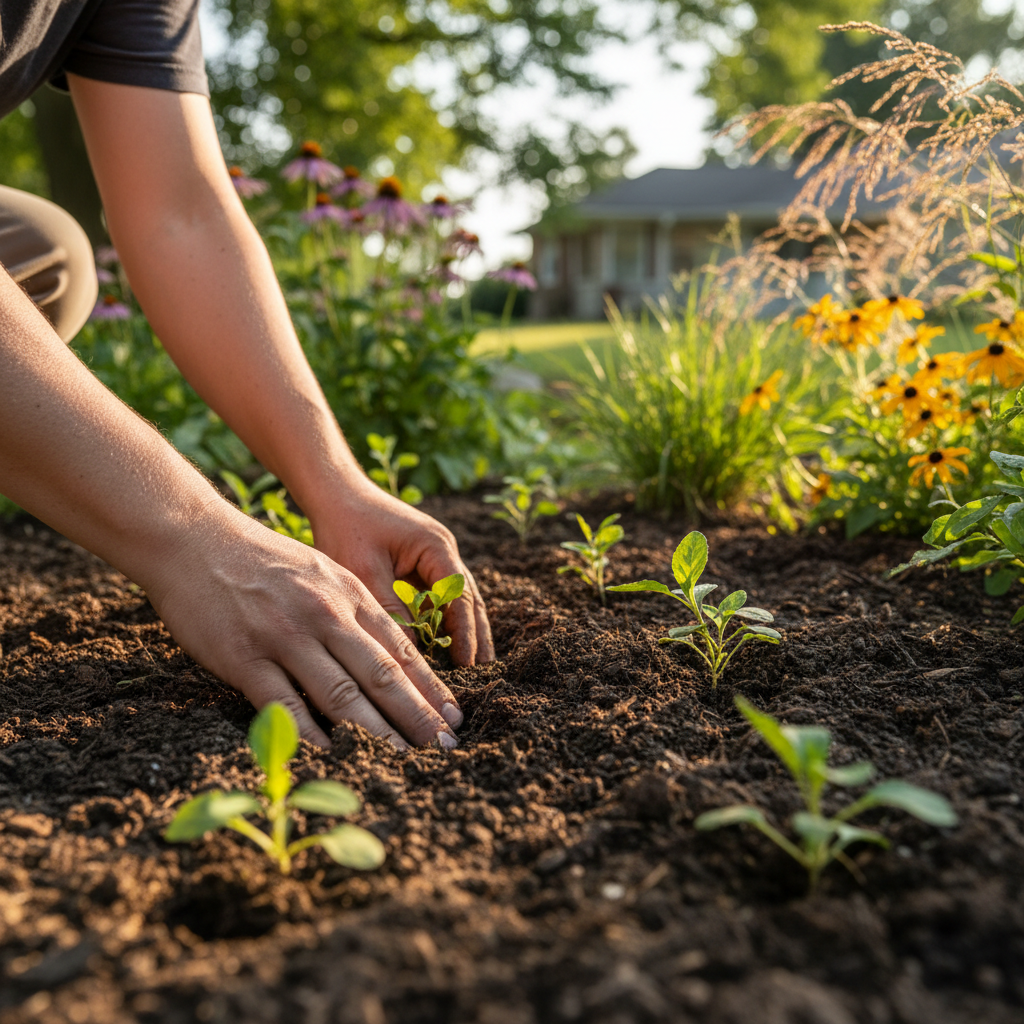
A sustainable landscape enhances the environmental friendliness of your home. Use native plants that require minimal water and maintenance. These plants support local ecosystems and thrive in the natural climate.
Implementing Permeable Paving
Permeable paving solutions, such as gravel or permeable concrete, allow rainwater to infiltrate the ground, reducing runoff and promoting groundwater recharge. This practice helps manage stormwater effectively and supports sustainable landscaping.
Benefits of Sustainable Construction
Incorporating sustainability into your residential construction project offers numerous benefits. Beyond environmental impact, sustainable homes often have lower operating costs, increased market value, and improved indoor air quality. These homes provide a healthier living environment while contributing positively to the planet.
By embracing sustainable construction practices, you not only invest in the future of your home but also in the well-being of future generations.