
Innovative Eco-Friendly Materials for Illinois Construction Projects


Embracing Eco-Friendly Materials in Illinois Construction
As environmental concerns continue to rise, the construction industry in Illinois is evolving to embrace innovative eco-friendly materials. These materials not only minimize environmental impact but also offer numerous benefits such as improved energy efficiency and enhanced durability.
Illinois, with its diverse climate and urban development, is at the forefront of adopting sustainable building practices. From residential homes to commercial buildings, the integration of green materials is becoming a standard rather than an exception.
The Rise of Recycled Materials
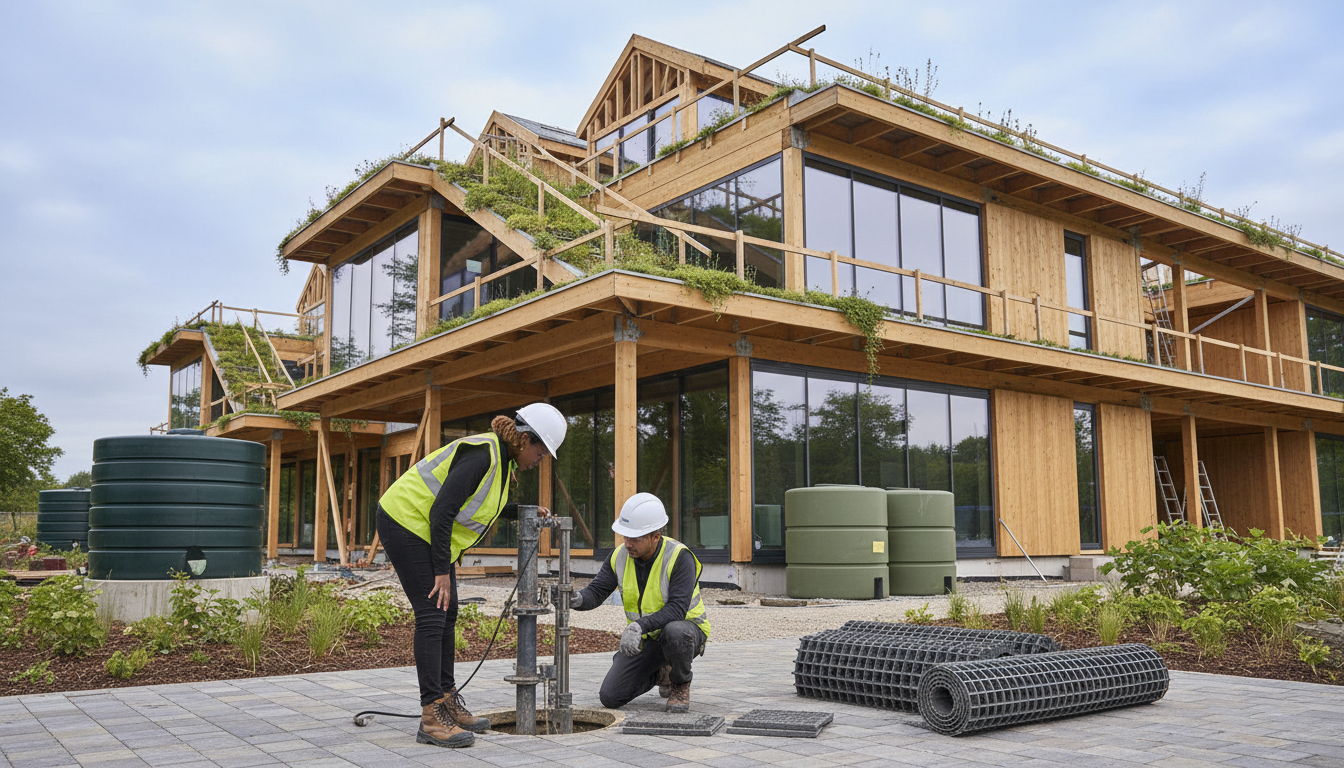
Recycled materials are gaining popularity in Illinois construction projects. Using recycled steel, glass, and wood reduces waste and conserves natural resources. This practice not only supports environmental sustainability but also often reduces construction costs.
For example, recycled steel requires less energy to produce compared to new steel, making it a cost-effective and eco-friendly option. Additionally, recycled glass is being used in various applications, from countertops to insulation, offering both aesthetic appeal and sustainability.
Innovative Green Insulation
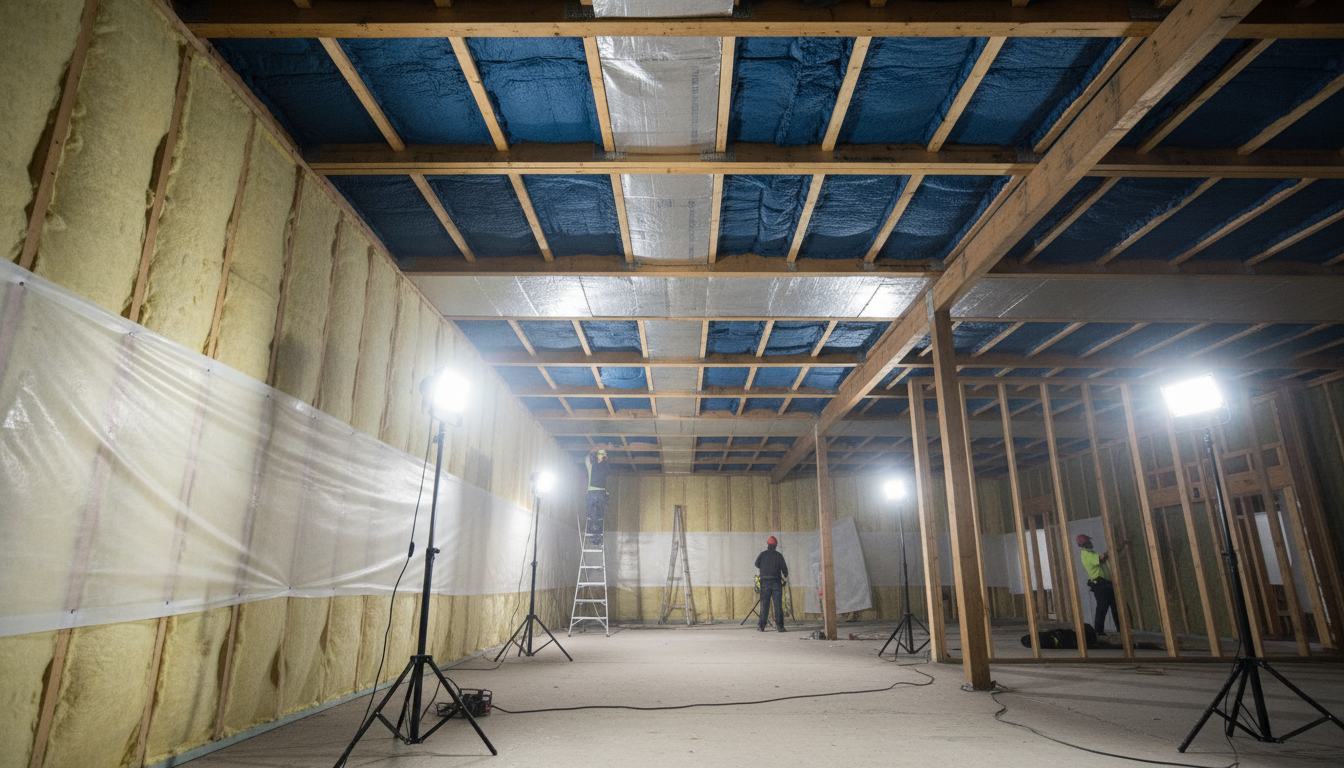
Insulation plays a critical role in maintaining energy efficiency in buildings. Innovative eco-friendly insulation materials, such as sheep's wool, cotton, and cellulose, are becoming increasingly popular. These materials are not only renewable but also offer excellent thermal performance.
Sheep's wool, for instance, is a natural insulator that regulates humidity and maintains warmth. Cotton insulation, made from recycled denim, provides an environmentally friendly alternative to traditional fiberglass insulation.
Use of Sustainable Concrete Alternatives
Traditional concrete production is a significant source of carbon emissions. However, sustainable alternatives like geopolymer concrete and carbon-cured concrete are making waves in the industry. These materials offer durability while drastically reducing the carbon footprint of construction projects.
Geopolymer concrete, made from industrial waste materials, can reduce emissions by up to 90% compared to traditional concrete. Carbon-cured concrete involves injecting CO2 into concrete during curing, locking away carbon and enhancing the material’s strength.
Biodegradable Materials in Construction
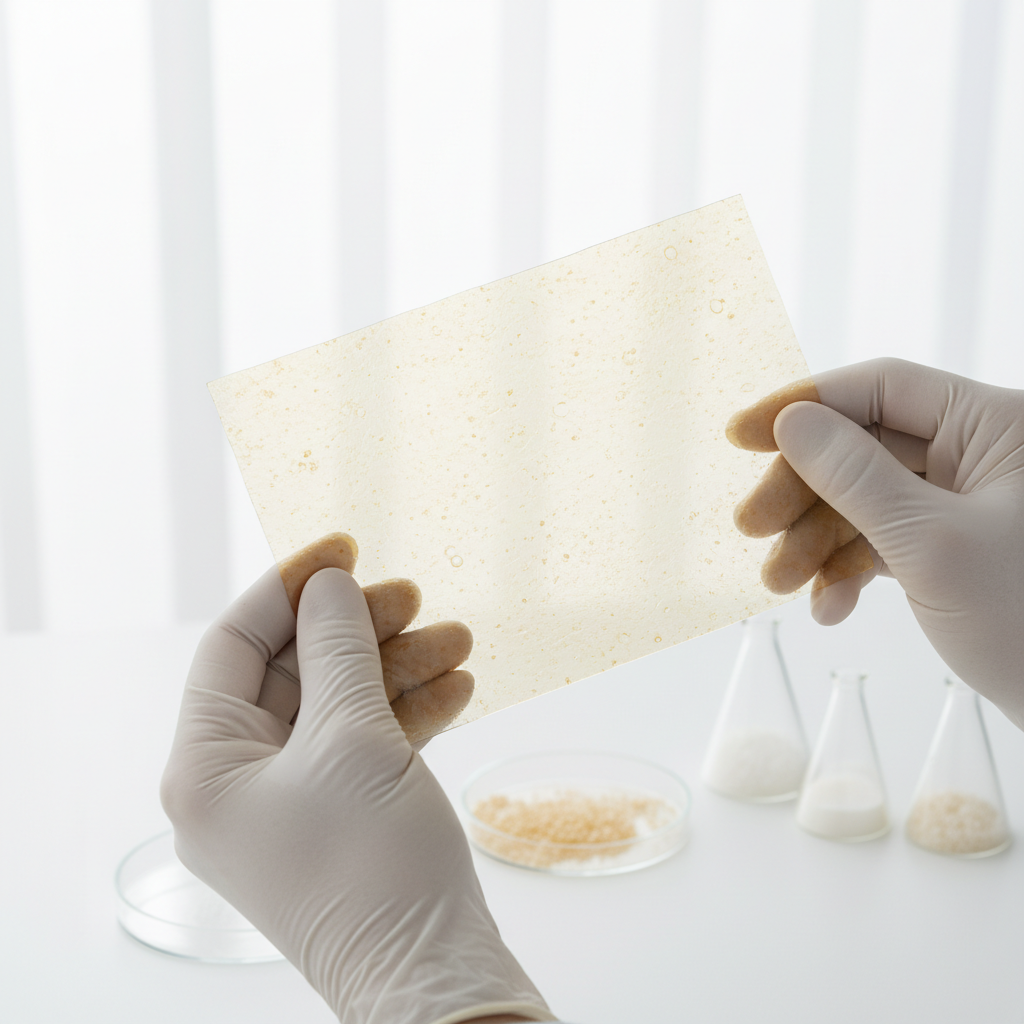
Biodegradable materials are becoming a key focus for eco-conscious builders. Products such as mycelium, a type of fungus, are being used to create lightweight and durable building blocks. These materials decompose naturally, reducing waste and environmental impact.
Challenges and Opportunities
While the adoption of eco-friendly materials in Illinois is promising, challenges such as higher upfront costs and regulatory hurdles remain. However, the long-term benefits, including energy savings and increased property value, often outweigh these initial obstacles.
The construction industry in Illinois is poised to lead the way in sustainable building practices. By embracing innovative materials, builders can contribute to a greener future while meeting the growing demand for environmentally responsible construction.