Navigating Sustainable Building Trends in Urban Areas


Embracing Green Architecture in Urban Settings
The rise of sustainable building trends in urban areas is transforming cityscapes around the globe. As urban populations continue to grow, the demand for environmentally friendly construction practices is more important than ever. These trends not only aim to reduce environmental impact but also enhance the quality of life for city dwellers.
Key Principles of Sustainable Building
Sustainable building practices focus on minimizing energy consumption, reducing waste, and utilizing renewable resources. Some of the core principles include:
- Energy Efficiency: Implementing technologies that lower energy use.
- Water Conservation: Using systems that reduce water wastage.
- Material Sustainability: Choosing eco-friendly and recycled materials.
By integrating these principles, buildings can significantly lessen their environmental impact while promoting a healthier environment.
Innovative Technologies and Materials
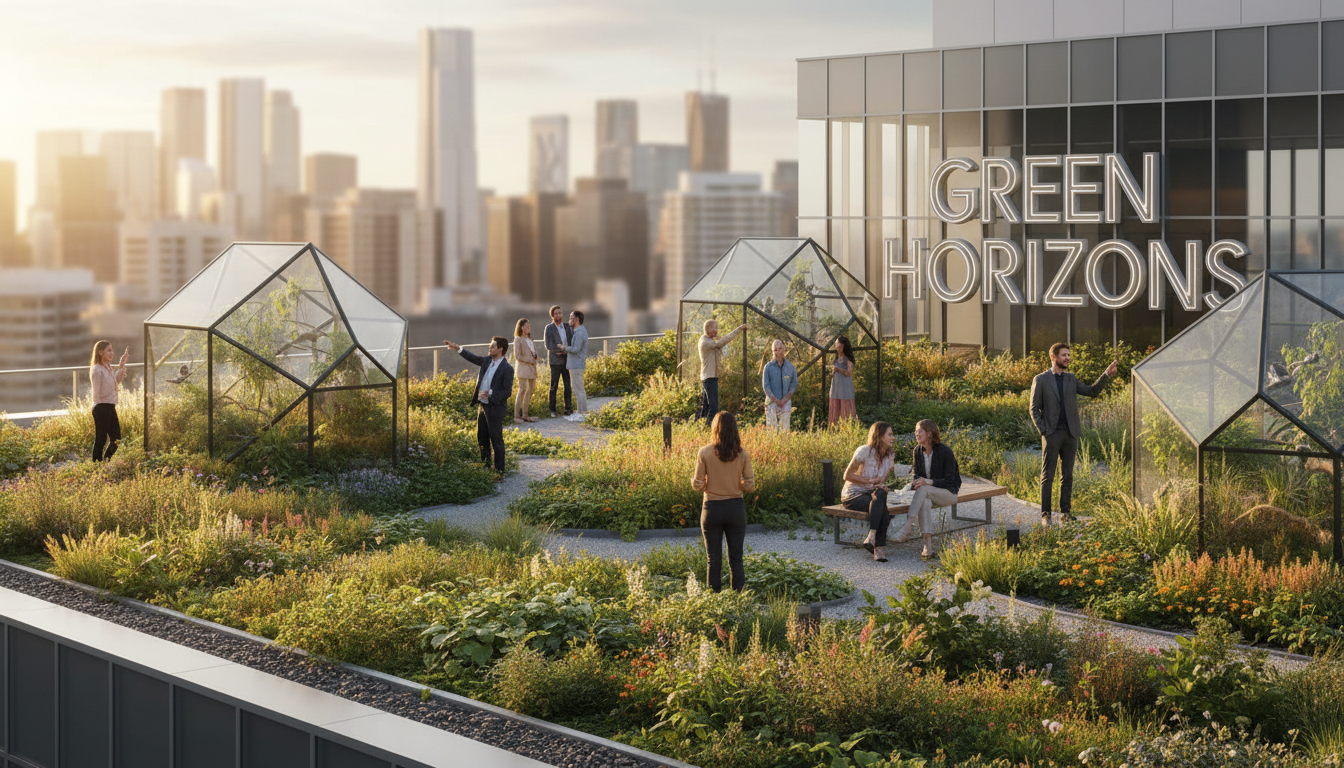
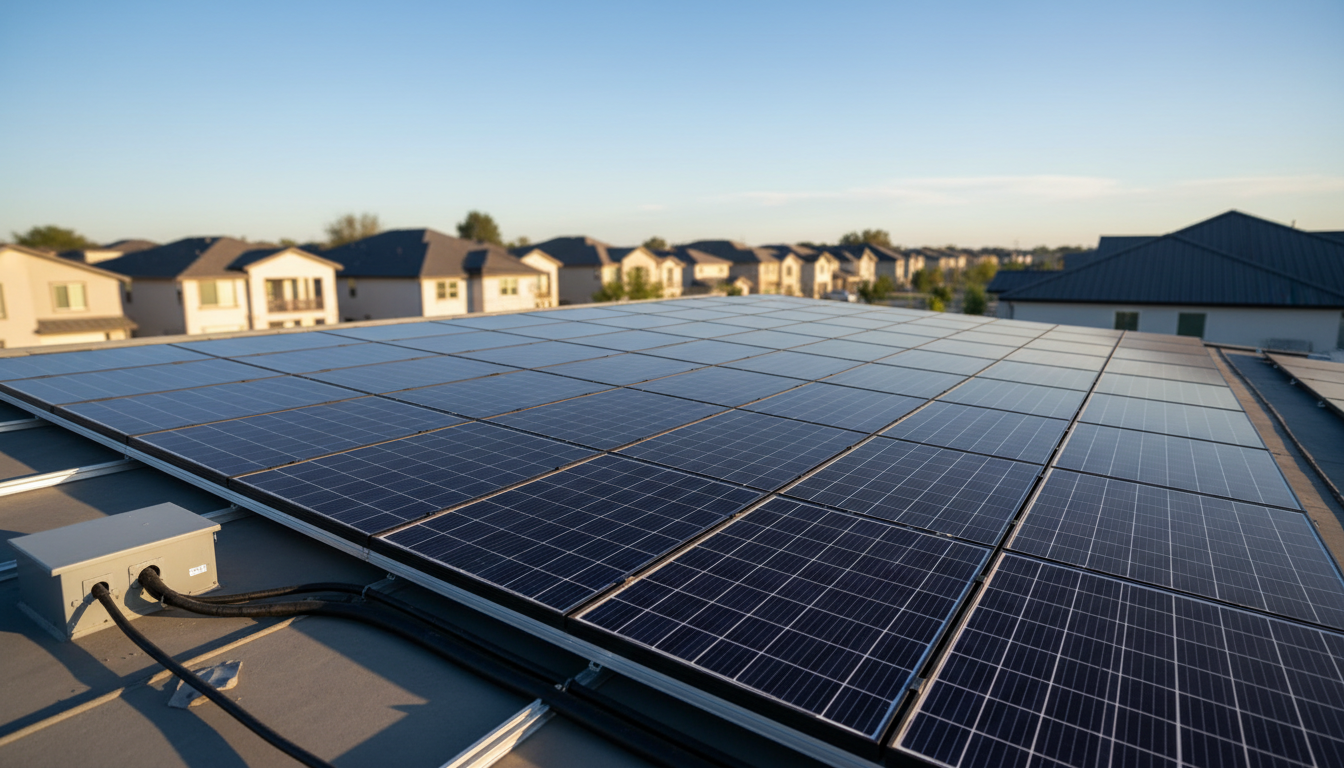
Advancements in technology play a crucial role in sustainable urban construction. Innovations such as green roofs, solar panels, and smart building systems are becoming commonplace. These technologies not only enhance energy efficiency but also contribute to the aesthetic appeal of buildings.
Moreover, the use of sustainable materials like bamboo, recycled steel, and low-VOC paints is gaining traction. These materials are not only more environmentally friendly but also often more durable and cost-effective in the long run.
Community-Centric Design
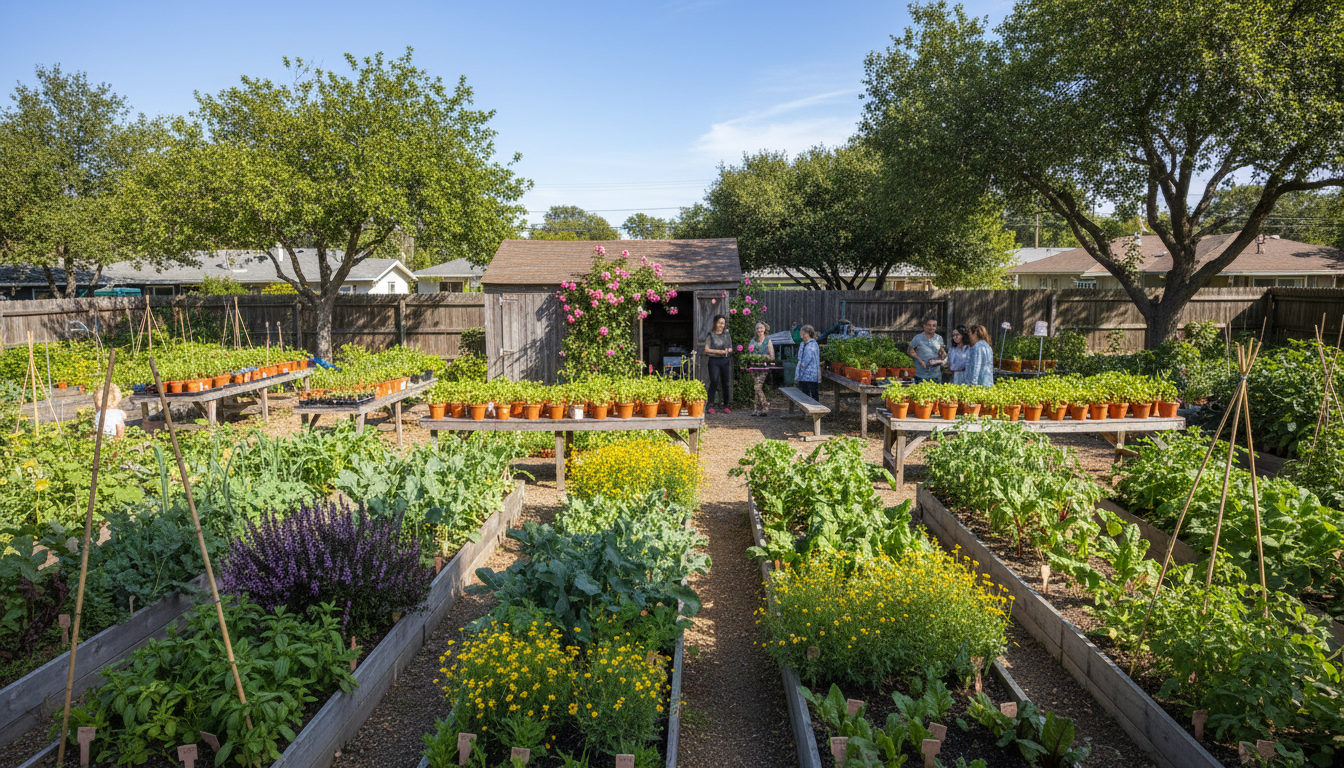
Sustainable urban building trends also emphasize the importance of community-centric design. This involves creating spaces that foster social interaction and community well-being. Features like shared gardens, green public spaces, and pedestrian-friendly areas are integral to this approach.
Community-centric design not only enhances the quality of life but also encourages sustainable living practices among residents. It’s about building not just structures, but vibrant, connected communities.
The Role of Policy and Regulation
Government policies and regulations are essential in promoting sustainable building practices. Many cities are implementing stricter building codes and offering incentives for green construction. This support is crucial for encouraging developers and builders to adopt sustainable practices.
Policies that prioritize sustainability help ensure that urban growth does not come at the expense of environmental health. They provide a framework for consistent and meaningful progress in sustainable urban development.
Challenges and Future Prospects
Despite the growing momentum, sustainable urban building faces several challenges. High costs, lack of awareness, and resistance to change can hinder progress. However, as technology advances and awareness grows, these obstacles are gradually being overcome.
The future of urban construction lies in embracing these sustainable trends. As more cities recognize the importance of green building, the potential for a more sustainable, livable urban future becomes increasingly attainable.