
Seasonal Construction Tips: Preparing Your Chicago Home for Winter


Inspecting and Sealing Windows
As winter approaches in Chicago, ensuring your home is energy-efficient should be a top priority. Start by inspecting your windows for any drafts or leaks. Cold air sneaking in through gaps can dramatically increase heating costs.
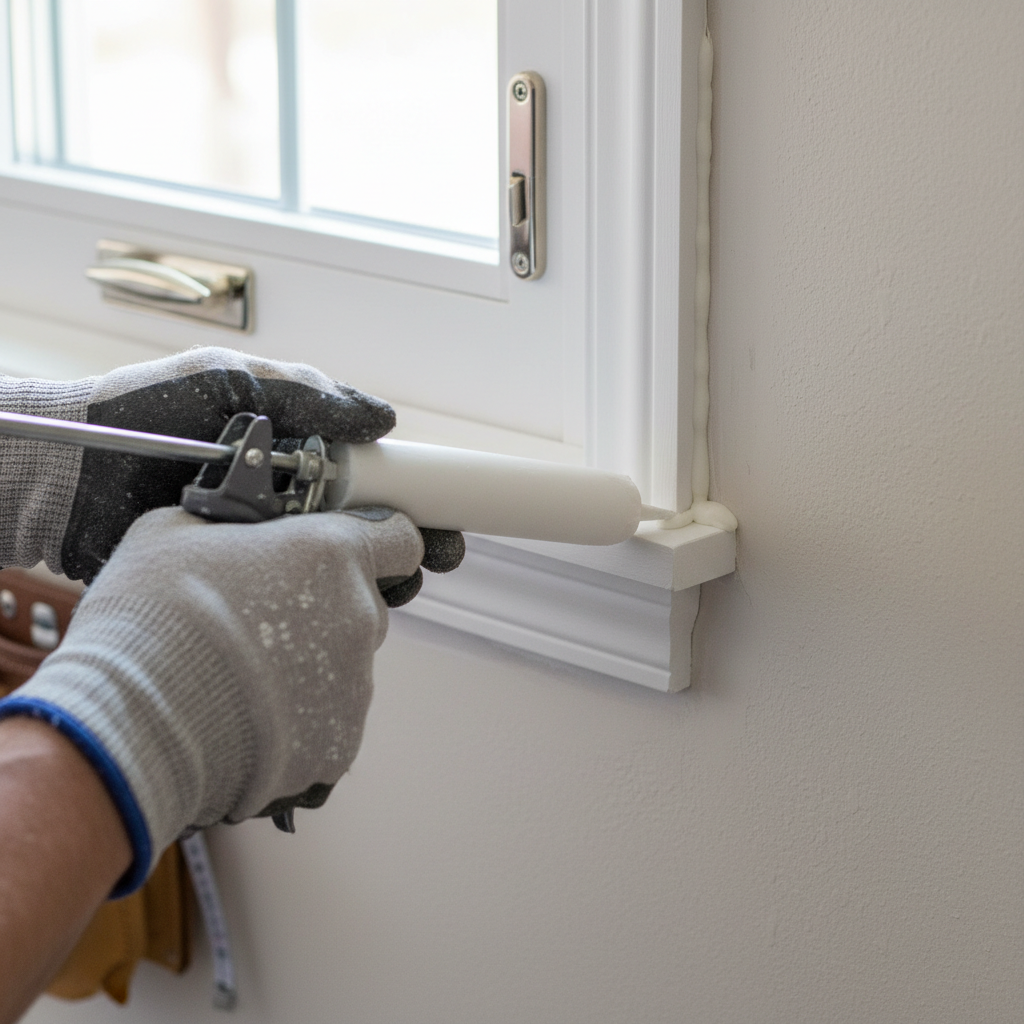
To mitigate this, apply weatherstripping around window frames. This simple fix can significantly reduce heat loss. Additionally, consider using caulk to seal any visible cracks or gaps.
Install Storm Windows
If your home has older windows, consider installing storm windows for an added layer of insulation. These provide a barrier against the harsh Chicago winds and can help maintain a comfortable indoor temperature.
Roof and Gutter Maintenance
The roof is your home’s first line of defense against winter weather. Begin by checking it for any damaged or missing shingles. It’s crucial to address these issues before snow and ice accumulate, potentially causing leaks.
Don’t forget to clean your gutters. Clogged gutters can lead to ice dams, which may cause water damage to your home. Make sure they’re clear of leaves and debris to allow proper drainage.

Attic Insulation
Proper insulation in your attic is essential for retaining heat. Inspect the current insulation and add more if necessary. A well-insulated attic prevents heat from escaping, reducing the strain on your heating system and lowering energy bills.
Heating System Check
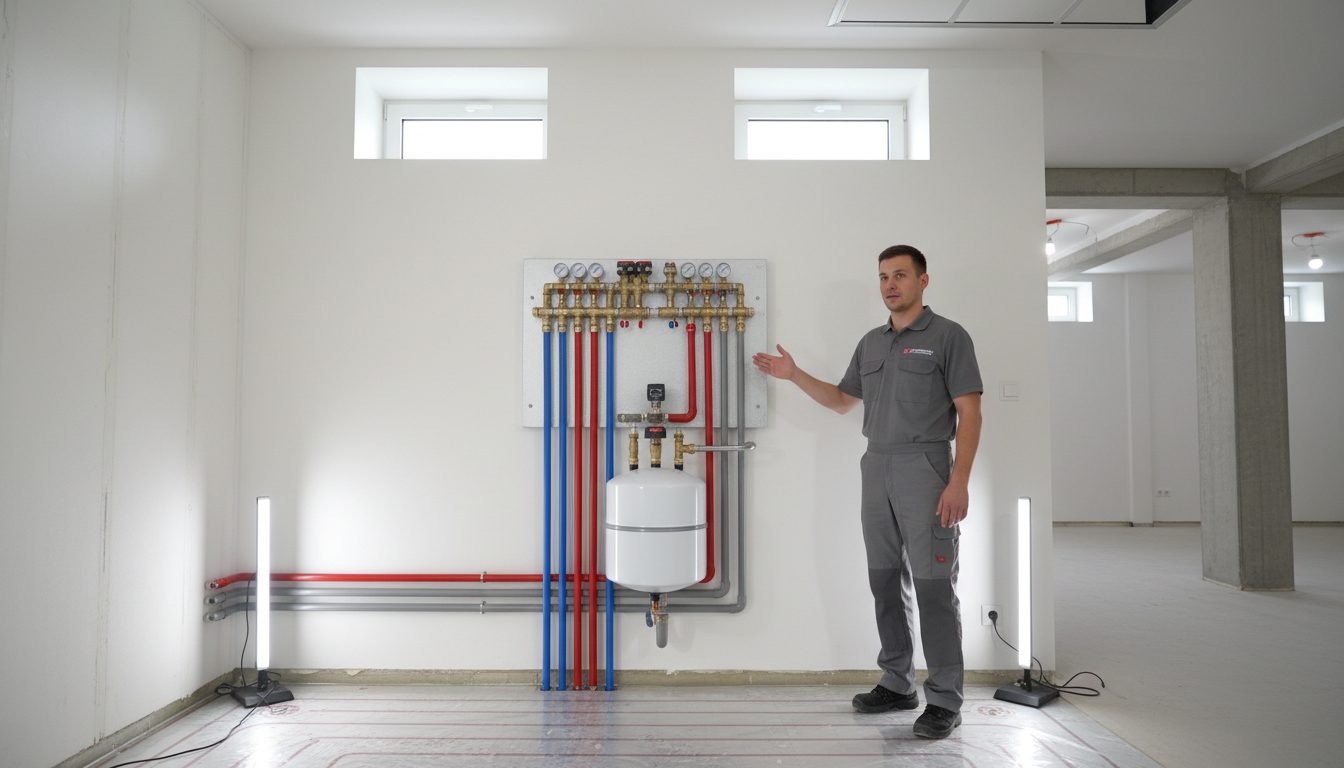
Your heating system is the heart of your home’s winter comfort. Schedule a professional inspection to ensure it’s running efficiently. Replace filters regularly to maintain good air quality and system performance.
Consider a Programmable Thermostat
Installing a programmable thermostat can help you efficiently manage your home’s temperature. Set it to lower the heat when you’re away or asleep, and raise it when you're home. This simple adjustment can lead to substantial savings on your energy bill.
Outdoor Preparations
Winterizing the exterior of your home is just as important as the interior. Disconnect and store garden hoses to prevent them from freezing and potentially bursting pipes. Drain all outdoor faucets and consider using insulated covers for added protection.
Also, inspect walkways and driveways for any cracks. These should be sealed to prevent water from seeping in and freezing, which could cause further damage.
Stock Up on Supplies
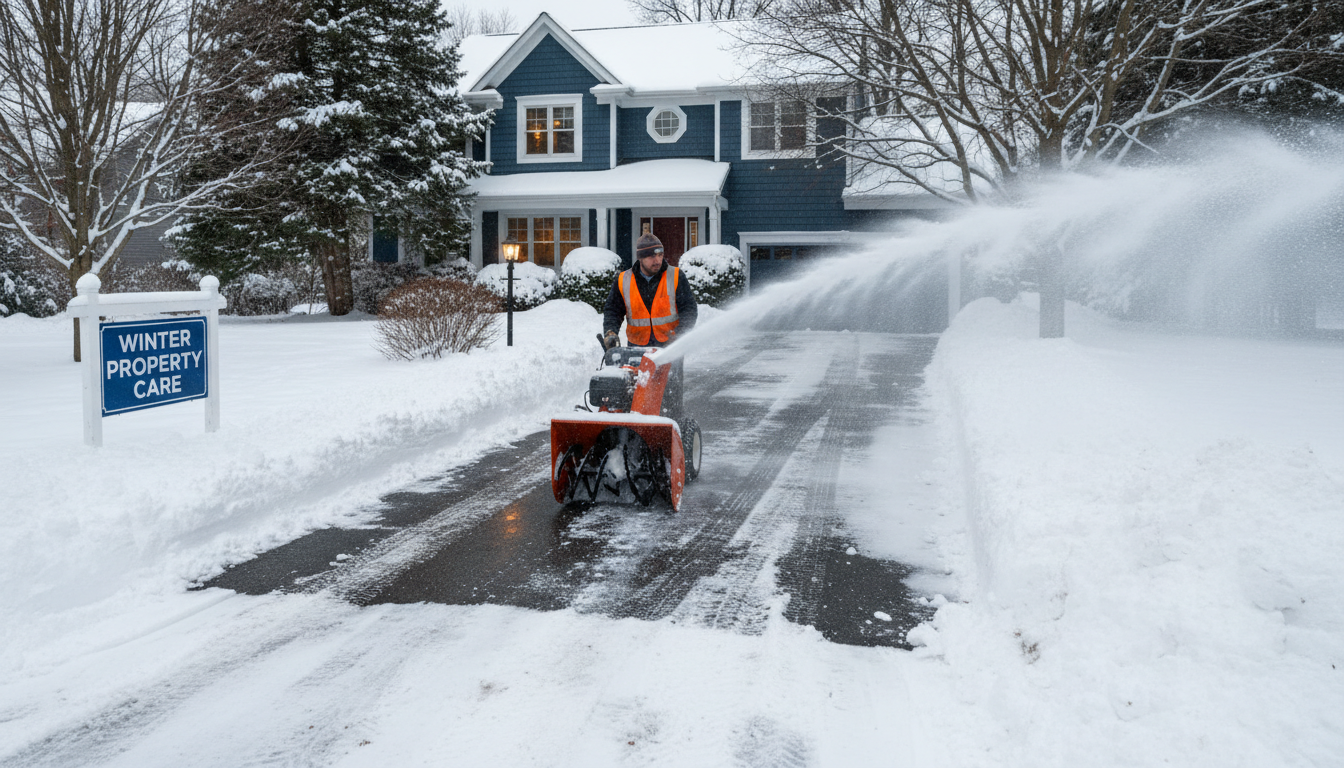
Lastly, prepare for the unexpected by stocking up on winter supplies. Keep essentials like salt, sand, and a good snow shovel on hand. Having these readily available ensures you’re ready for the first snowfall and can keep your home safe and accessible.