
Sustainable Building Trends in Urban Areas: What Homeowners Need to Know


Understanding Sustainable Building
As urban areas continue to expand, sustainable building practices have become more essential than ever. Homeowners are increasingly interested in reducing their carbon footprint while creating environmentally friendly and energy-efficient living spaces. Understanding the key trends in sustainable building can help you make informed decisions for your next home project.
Sustainable building focuses on minimizing environmental impact, maximizing resource efficiency, and creating healthy living environments. These practices not only benefit the planet but can also lead to significant cost savings and improved quality of life.
Energy-Efficient Designs
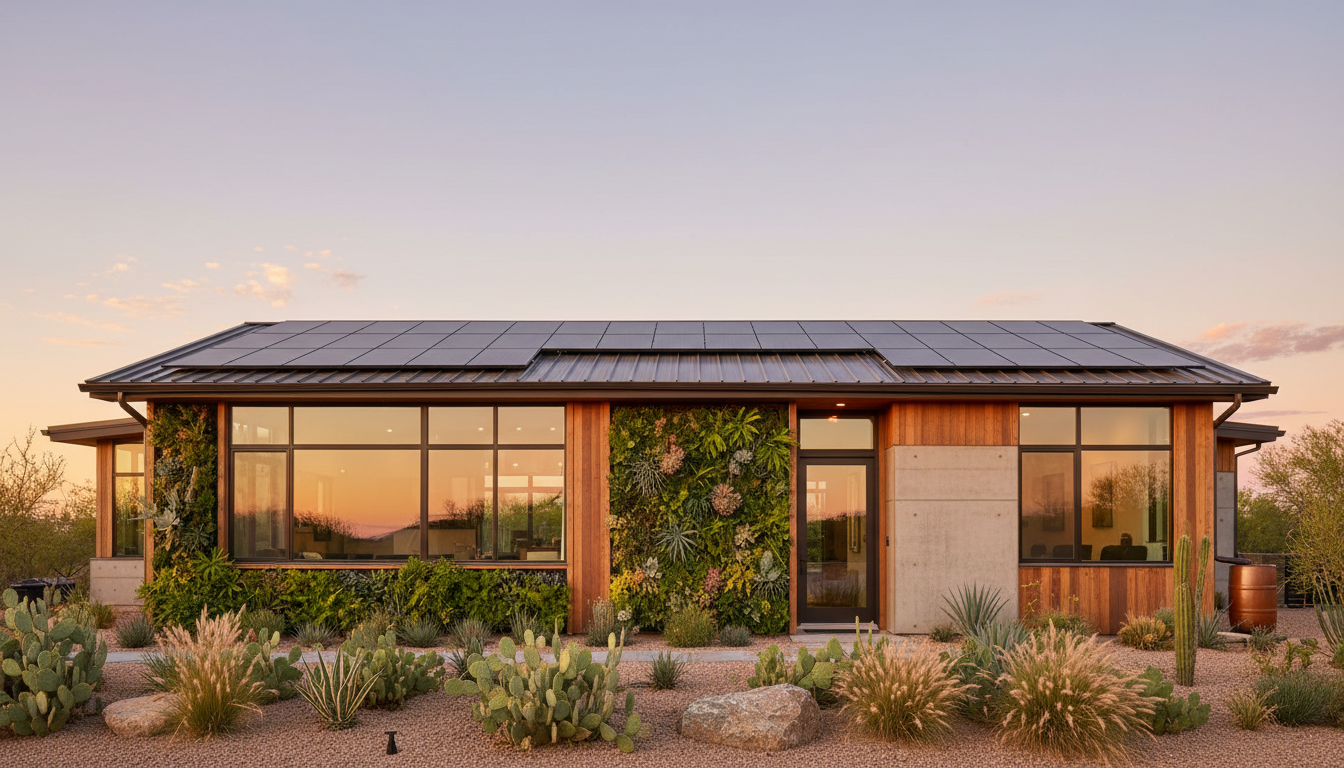
Energy efficiency is at the forefront of sustainable building. Modern homes are being designed with advanced insulation, energy-efficient windows, and smart home technologies that reduce energy consumption. Homeowners can also incorporate renewable energy sources such as solar panels to decrease reliance on traditional power grids.
Additionally, integrating smart thermostats and energy-efficient appliances can further enhance a home's energy performance. These technologies allow homeowners to monitor and control energy usage, leading to substantial savings on utility bills.
Green Materials
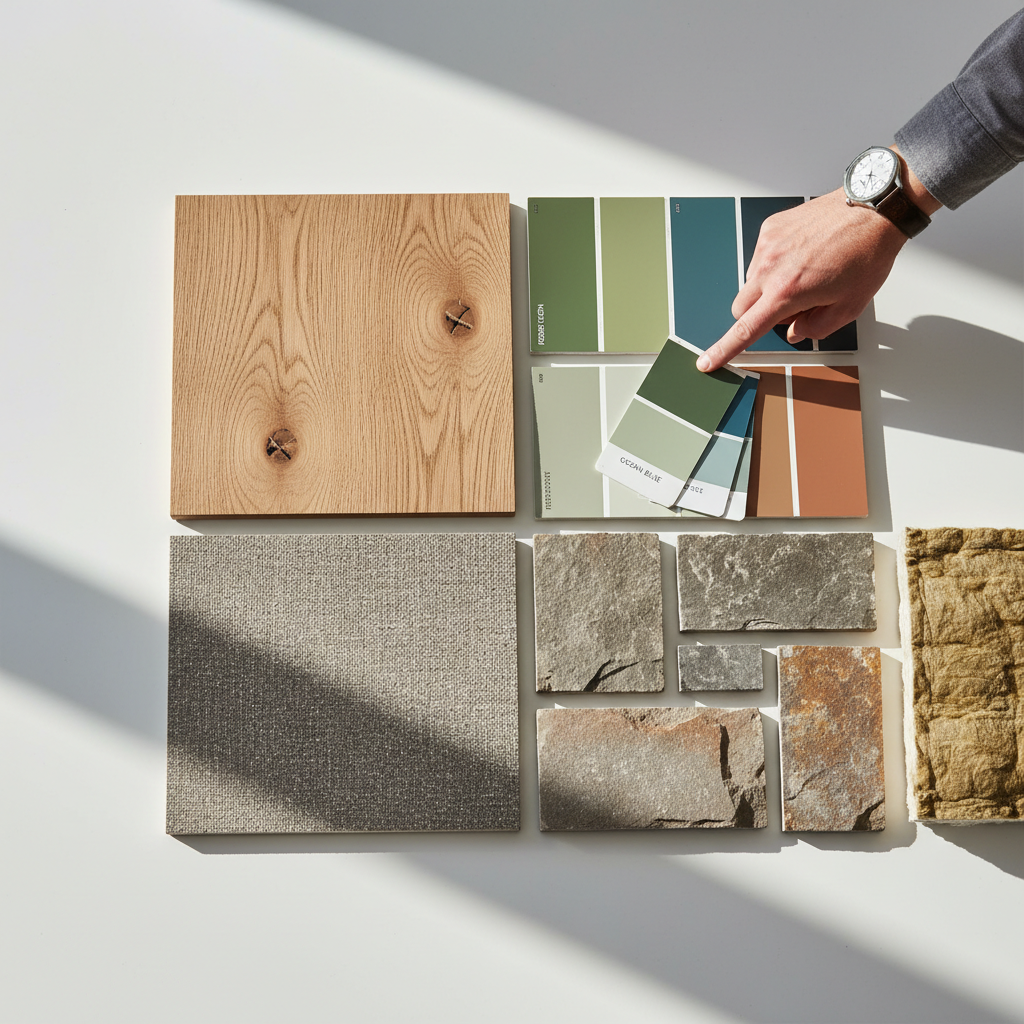
The choice of building materials plays a crucial role in sustainability. Many homeowners are opting for materials that are recycled, reclaimed, or sourced from sustainable sources. Using bamboo flooring, recycled metal, and reclaimed wood can reduce the environmental impact of new constructions.
Water Conservation Strategies
Water conservation is another critical aspect of sustainable building. Urban homeowners are increasingly adopting technologies like low-flow faucets, dual-flush toilets, and rainwater harvesting systems. These features help reduce water usage and promote efficient water management.
Implementing drought-resistant landscaping and using native plants can further enhance water conservation efforts. These practices not only save water but also reduce maintenance needs and create beautiful, resilient outdoor spaces.

Healthy Indoor Environments
Creating a healthy indoor environment is a vital component of sustainable building. This includes using non-toxic paints, formaldehyde-free insulation, and air purification systems to improve indoor air quality. A focus on natural lighting and ventilation also contributes to a healthier living space.
These efforts not only promote the well-being of occupants but can also increase a home's value and appeal. As more people become aware of the importance of indoor air quality, demand for homes with these features is expected to rise.
Urban Green Spaces
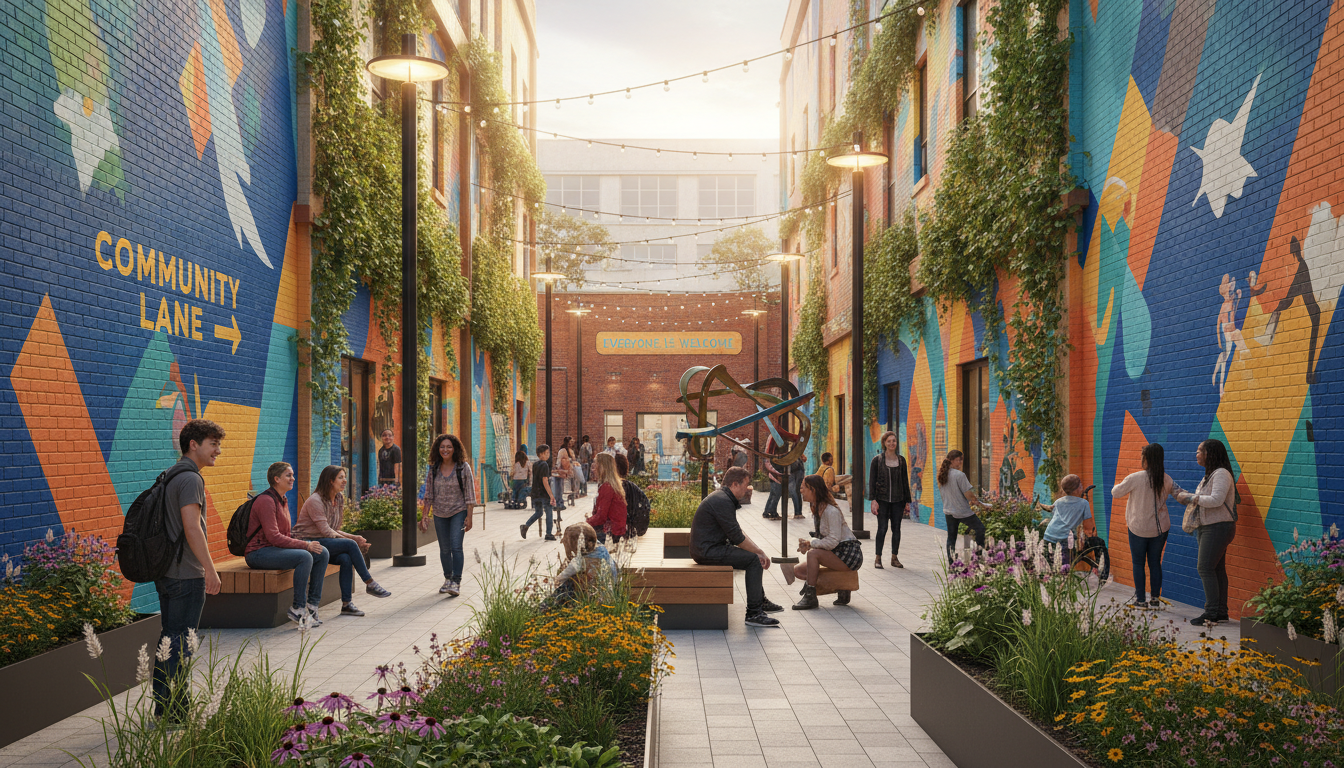
Incorporating green spaces in urban areas can significantly enhance sustainability. Rooftop gardens, vertical gardens, and community green spaces provide numerous benefits, including improved air quality, reduced urban heat, and increased biodiversity.
The Future of Urban Sustainability
As technology and awareness continue to evolve, sustainable building practices will likely become standard in urban developments. Homeowners who embrace these trends will not only contribute to a healthier planet but also enjoy the benefits of efficient, cost-effective, and comfortable living spaces.
Staying informed about these trends can help you make better choices for your home, ensuring it meets both your needs and the needs of the environment.