Trends in Construction: Embracing Eco-Friendly Building Practices


Green Building Materials
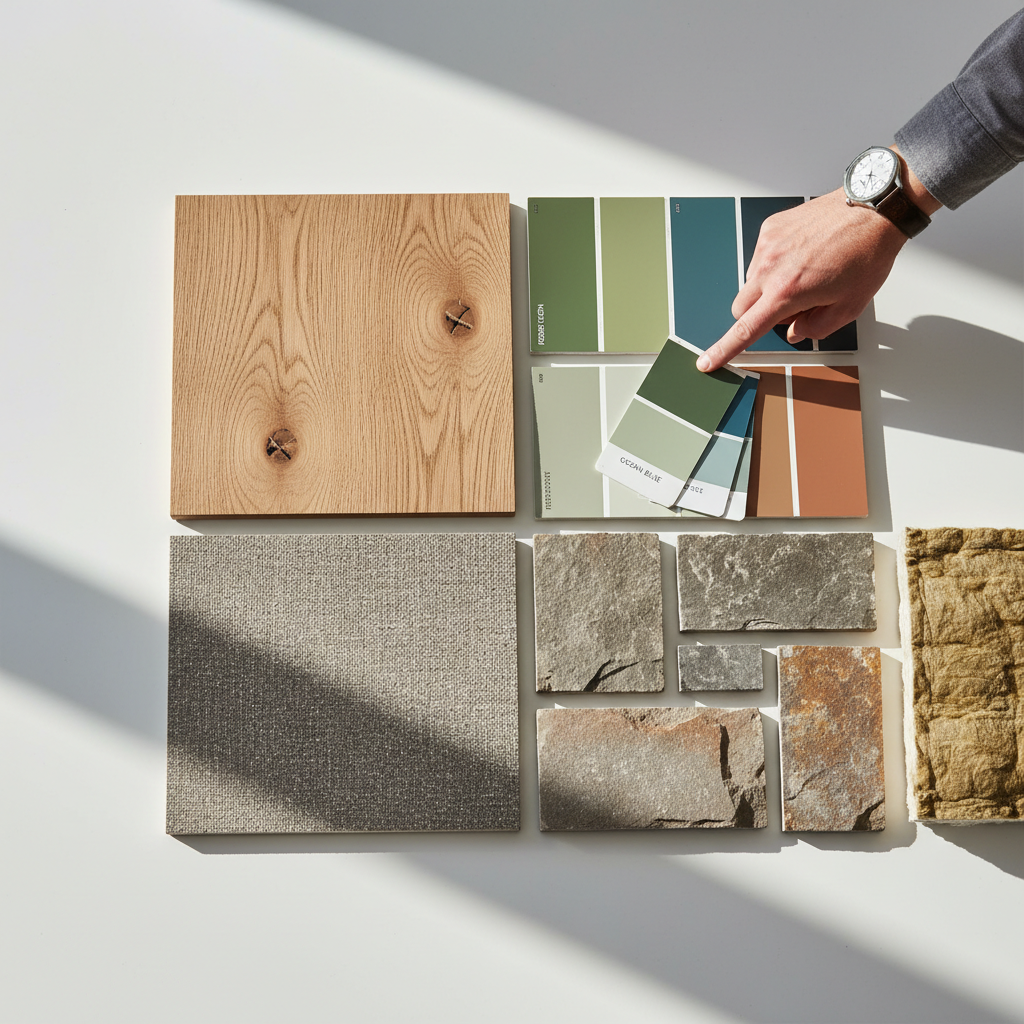
The construction industry is undergoing a significant transformation with the adoption of eco-friendly building practices. One of the most pivotal changes is the shift towards green building materials. These materials are designed to reduce environmental impact while enhancing energy efficiency. From recycled steel to bamboo flooring, these alternatives are becoming increasingly popular.
Using sustainable materials not only helps the environment but also provides long-term cost savings. For instance, insulated concrete forms and structural insulated panels offer superior insulation properties, reducing the need for heating and cooling.
Energy-Efficient Designs
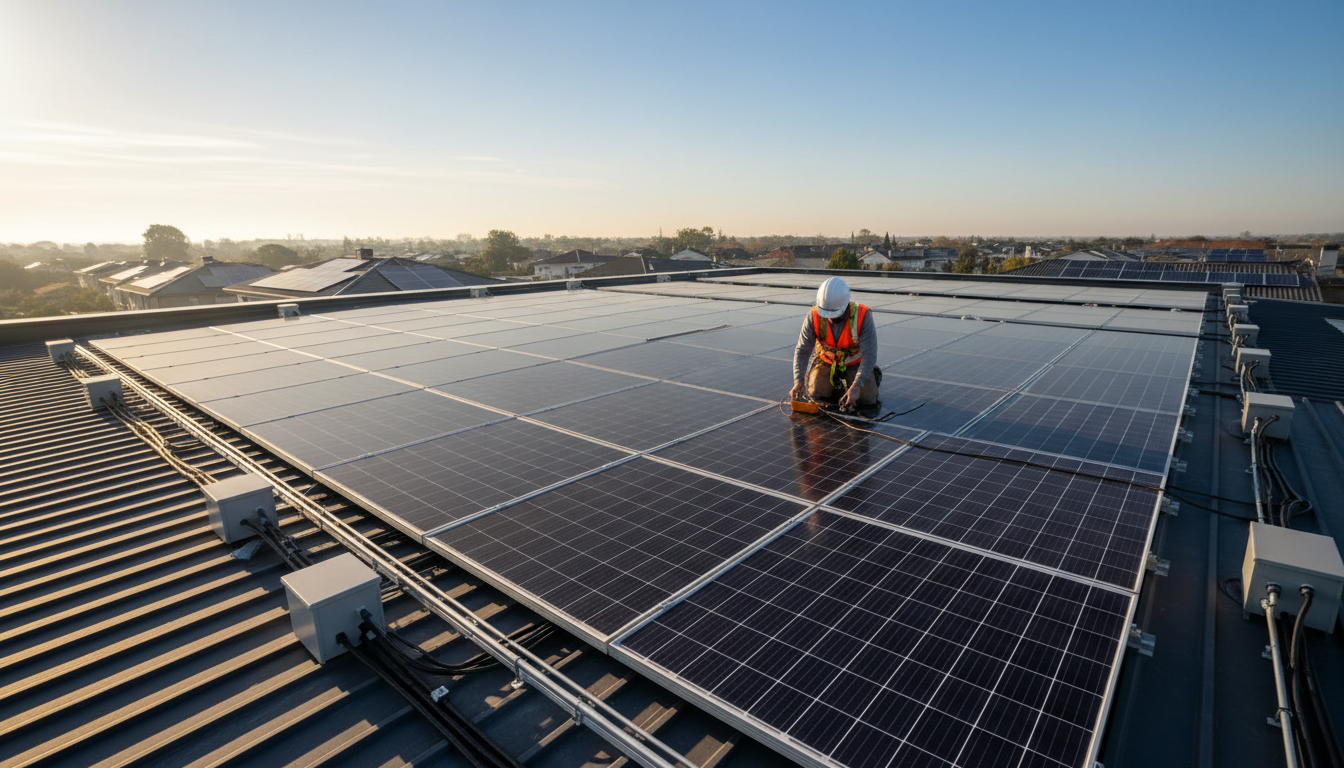
Another trend shaping the future of construction is energy-efficient building designs. Architects and builders are integrating features such as solar panels, green roofs, and advanced HVAC systems to minimize energy consumption. These designs prioritize natural light, reducing the reliance on artificial lighting.
Additionally, smart home technologies are being incorporated to monitor and optimize energy usage. This not only lowers utility bills but also contributes to a smaller carbon footprint.
Water Conservation Techniques
Water conservation is a crucial aspect of eco-friendly building practices. Builders are implementing systems such as rainwater harvesting and greywater recycling to reduce water usage. Low-flow fixtures and appliances are also being installed to conserve water without sacrificing performance.
These techniques are essential in regions facing water scarcity and contribute to a more sustainable environment. By focusing on water conservation, the construction industry is playing a vital role in promoting responsible resource management.

Waste Reduction Strategies
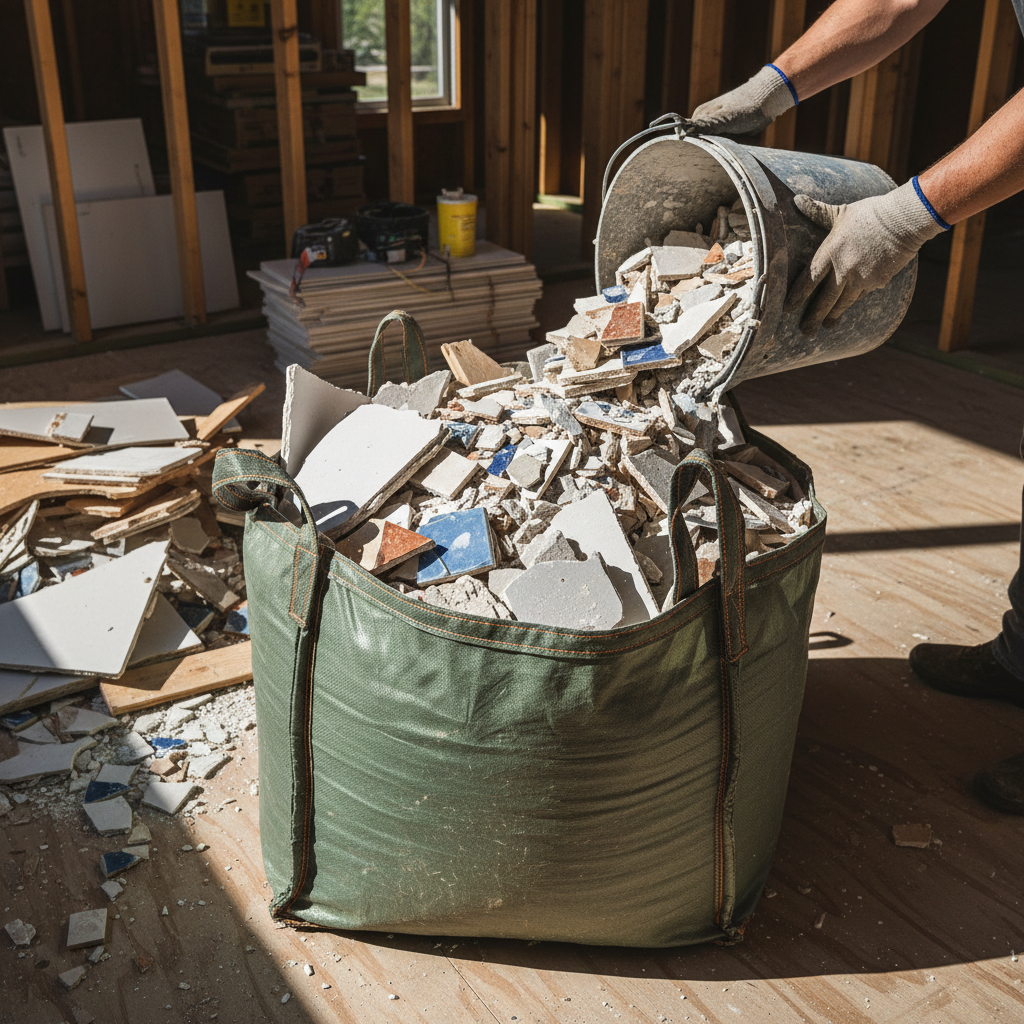
Minimizing waste is a fundamental principle of sustainable construction. Builders are now more focused on reducing, reusing, and recycling materials. Strategies such as prefabrication and modular construction help in reducing waste significantly by using precise measurements and cutting techniques.
Furthermore, construction companies are increasingly participating in recycling programs to ensure that leftover materials are reused instead of ending up in landfills. These efforts are essential for reducing the environmental footprint of construction projects.
Benefits of Eco-Friendly Construction
Embracing eco-friendly building practices offers numerous benefits beyond environmental impact. These include improved indoor air quality, enhanced durability, and increased property value. Green buildings often have better marketability and can attract environmentally conscious buyers or tenants.
Moreover, governments are providing incentives and tax breaks for adopting sustainable practices, making it financially appealing for developers and homeowners to go green.
- Reduced energy costs
- Improved occupant health
- Positive environmental impact
The Future of Eco-Friendly Construction
The future of construction is undoubtedly green. As technology advances, so does the potential for even more sustainable practices. Innovations such as carbon-negative building materials and energy-generating façades are on the horizon, promising to take eco-friendly construction to new heights.
By staying informed and embracing these trends, the construction industry can lead the way in creating a sustainable future for all.