Understanding the Commercial Construction Process in Chicago


Introduction to Commercial Construction in Chicago
Commercial construction in Chicago is a dynamic and intricate process that involves numerous stages, from initial planning to project completion. Understanding this process is crucial for stakeholders, as it ensures that projects are delivered on time, within budget, and to the desired quality standards.
Initial Planning and Design
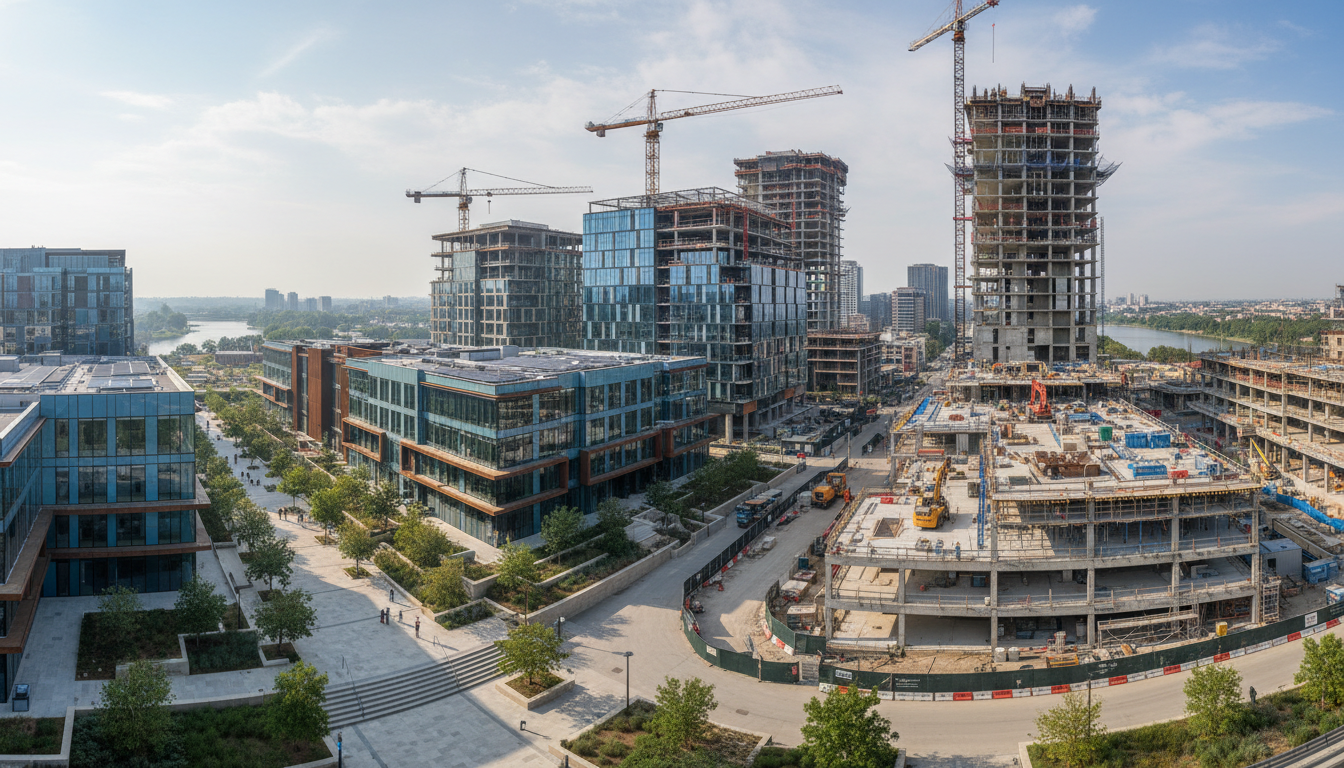
The first phase of commercial construction involves meticulous planning and design. Stakeholders collaborate with architects and engineers to create a blueprint that aligns with the project's objectives. During this stage, factors like zoning laws, building codes, and environmental impact are carefully considered to ensure compliance and feasibility.
Securing Permits and Approvals
Once the design phase is complete, the next step is obtaining the necessary permits and approvals. This involves interacting with local government bodies and ensuring that all documentation meets regulatory requirements. This step is essential to prevent any legal issues that could delay the project.
Site Preparation and Foundation Work
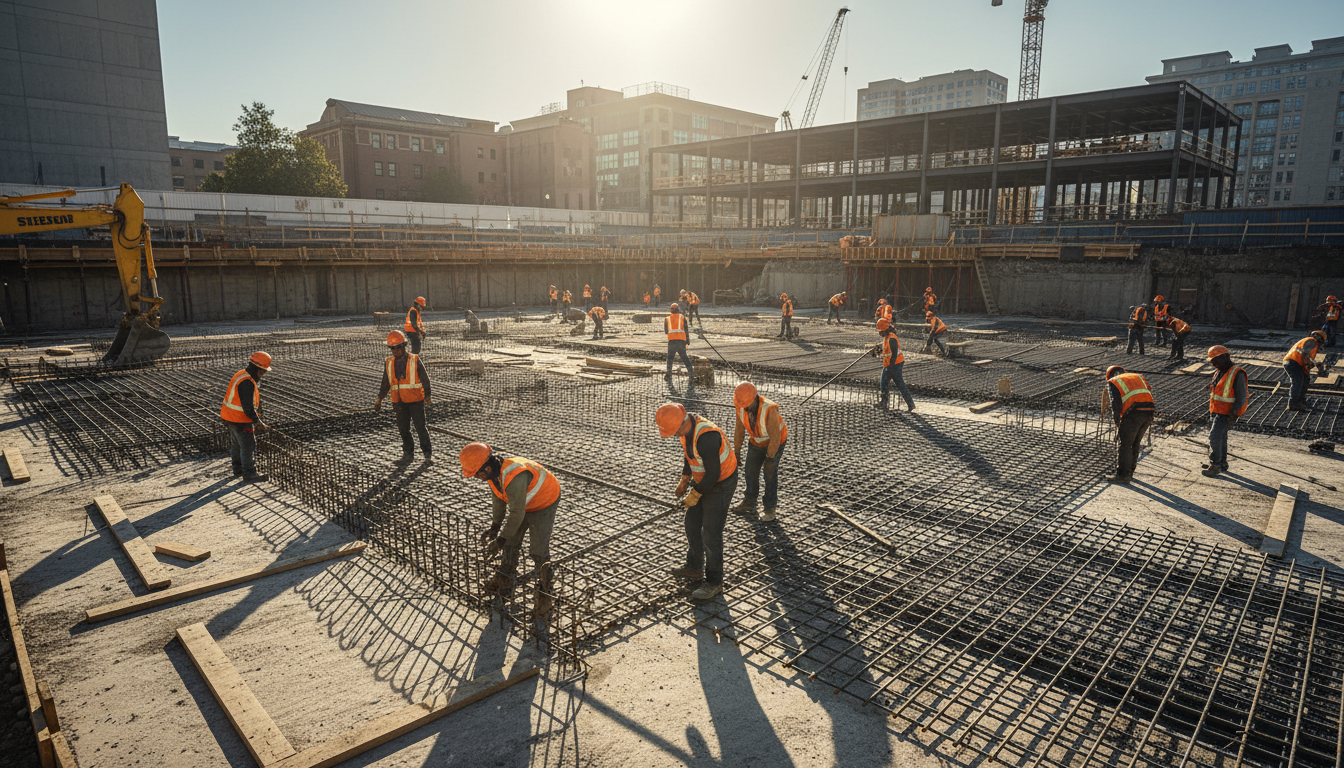
With permits in hand, construction can begin with site preparation. This includes clearing the land, grading, and setting up infrastructure such as drainage systems. Following this, foundation work is crucial to support the structure. Various techniques, such as piling or mat foundations, are used depending on the soil conditions and building requirements.
Structural Framework and Building
The erection of the structural framework is a significant milestone. Steel beams, concrete, and other materials are used to create the building's skeleton. This phase requires skilled labor and precise engineering to ensure safety and stability. As the framework takes shape, interior and exterior walls are constructed, and essential systems like plumbing and electrical are installed.
Interior Build-Out and Finishing
With the structure in place, the focus shifts to the interior build-out. This involves installing floors, ceilings, and other finishes. Special attention is given to details such as lighting, paint, and fixtures to enhance the building's functionality and aesthetic appeal.

Final Inspections and Handover
Before the building can be occupied, final inspections are conducted to ensure compliance with all safety and quality standards. This includes checking fire safety systems, electrical installations, and overall structural integrity. Once approved, the project is handed over to the client, marking the end of the construction process.
Challenges and Considerations
Commercial construction in Chicago presents unique challenges, including unpredictable weather and strict regulatory standards. Effective project management and communication are essential to navigate these hurdles and ensure successful project delivery.
Conclusion
Understanding the commercial construction process in Chicago is vital for anyone involved in the industry. From planning and design to final inspections, each step plays a critical role in the successful completion of a project. By staying informed and prepared, stakeholders can contribute to building structures that stand as a testament to Chicago's architectural legacy.